
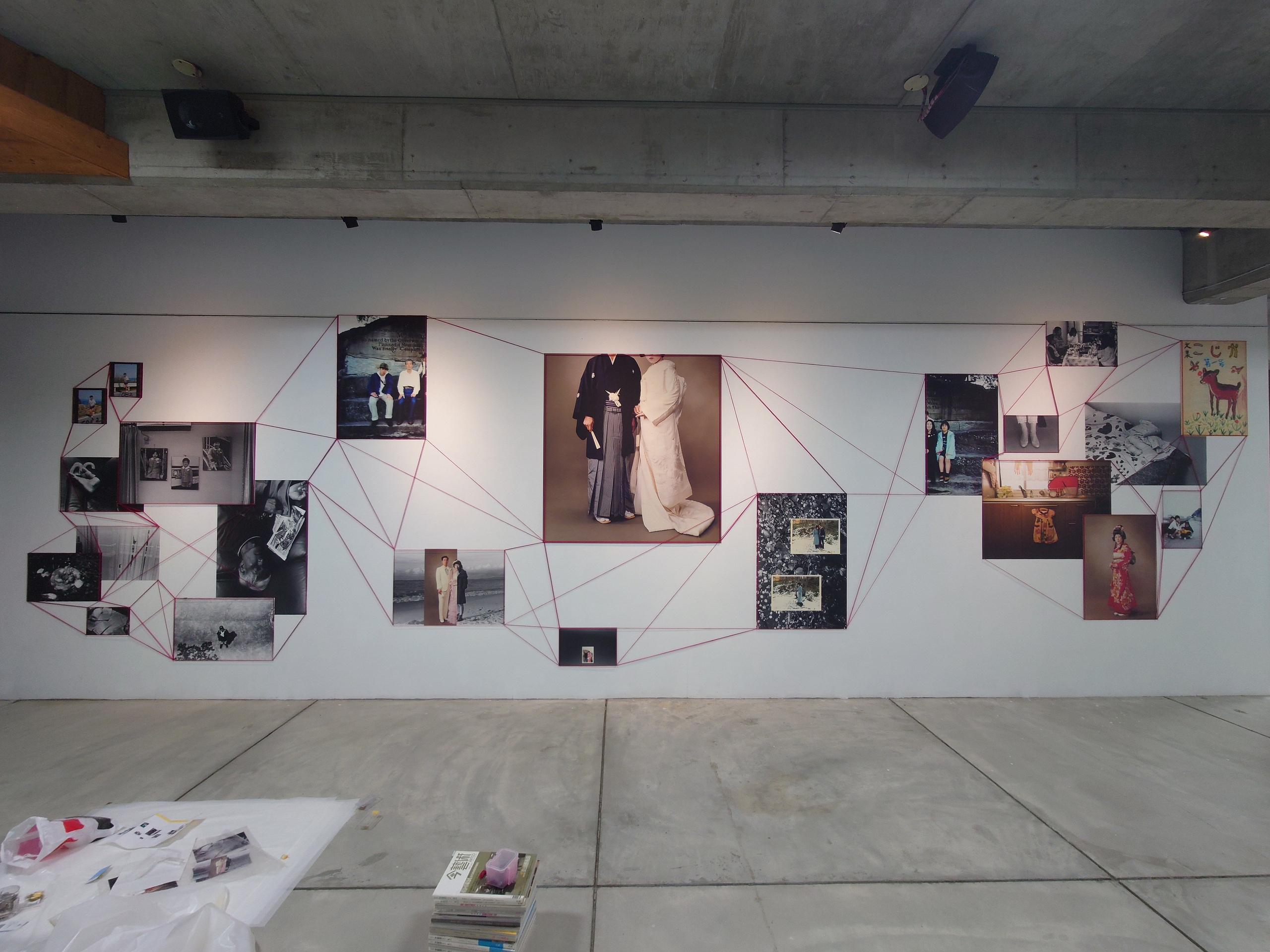
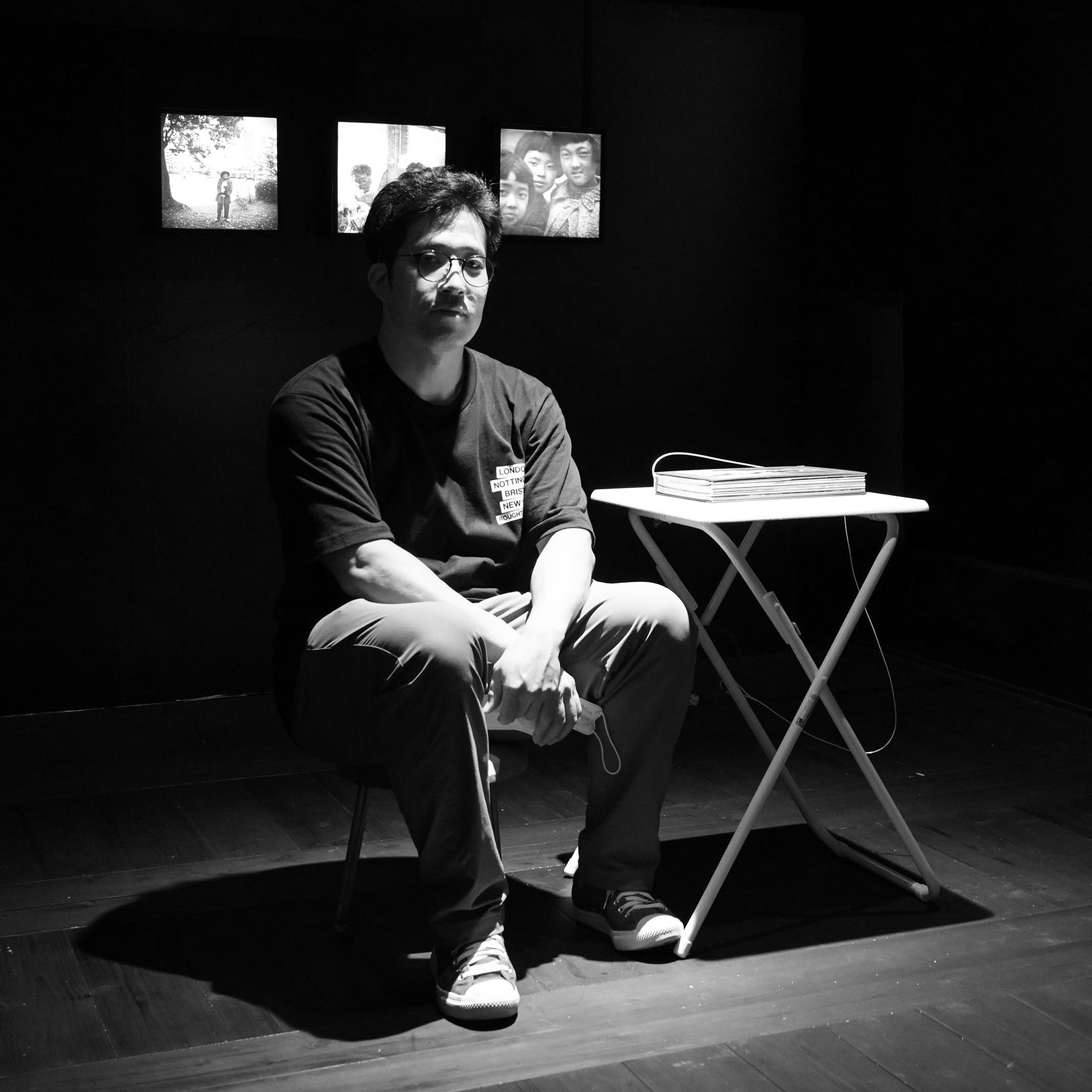
Yoshikatsu Fujii is a visual artist and photographer renowned for his photobooks Red String, Hiroshima Graph, Nagi, and Five Before the Fall, the latter of which was shortlisted for the Dummy Award 2026.
Fujii’s practice focuses on long-term projects exploring themes of memory, family, history, and contemporary life. Since returning to his hometown of Hiroshima in 2015, he has dedicated his work to re-examining the history of the war through a personal lens as a third-generation atomic bomb survivor.
His primary medium is the limited-edition, handmade photobook. Fujii’s work has received numerous accolades, including nominations for the Paris Photo–Aperture Foundation PhotoBook Awards (2014) and wins at the Self Publishing PHOTOLUX Award (2015) and the Anamorphosis Prize (2018). His books are held in prestigious collections worldwide, including the Museum of Modern Art (MoMA) Library in New York and the National Art Library at the Victoria and Albert Museum in London.
In this interview, the artist offers a behind-the-scenes look at his photobook-making process and shares his personal vision for each stage of this fascinating journey.
What got you into photography? And what led you to choose the photo book as your primary medium for artistic expression?
Originally, I studied experimental movie at an art university and, after graduating, joined a movie production company. However, I quickly realized that I could not adapt to the extremely harsh working environment and left the job soon after.
For a while, I lost the desire to express anything at all. But eventually I became tired of such an ordinary routine and began to crave stimulation again, which gradually brought me back to the urge to create.
At the same time, I had developed something close to a trauma about making work with large groups of people, as is common in movie production. Because of that, I became interested in photography as a medium that I could pursue on my own.
I had always loved reading and was surrounded by books, so I was naturally drawn to photobooks. The real turning point came when I participated in the «Photobook As Object» workshop organized by Reminders Photography Stronghold.
I joined the first edition of the workshop in 2014. At the time, I brought a series of photographs that would later become my book Red String, a very personal project about my parents’ late-life divorce.
I had been unsure whether I should continue the work at all, and even if I finished it, I didn’t know how it could be presented. Discovering the workshop came at a moment when I had reached a kind of impasse.
Although the material was still incomplete, the process of making dummy books and discussing the project with the instructors helped me see what the work was lacking and how it could move forward.
Through this process, I gradually became convinced that a small-edition handmade photobook was the most honest way to present this deeply personal theme.
Where did you study photography and photobook making? Did you have any mentors, and if so, did you continue to collaborate with them later on?
At university, I was shooting movies using 8 mm and 16 mm film. Since the basic principles of shooting are similar to photography, I learned the technical foundations during that time.
I began photography through a workshop led by Masato Seto. There, I learned not only technical skills but also how to approach photography as a form of artistic practice.
Around 2013, I also started attending Reminders Photography Stronghold, where I received mentorship from Yumi Goto. Through that experience, I had the opportunity to rethink more fundamental questions—such as why I needed to make these works in the first place. That process was very important for me, and it was the first time I truly felt that I had become an artist.
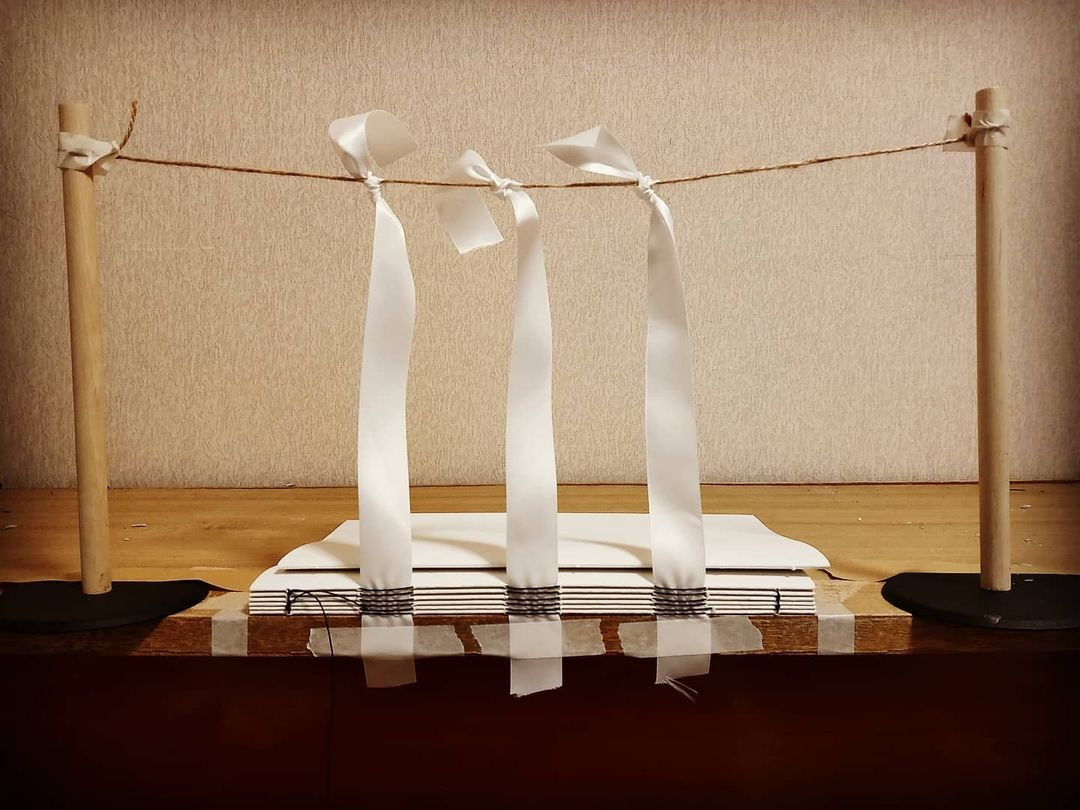
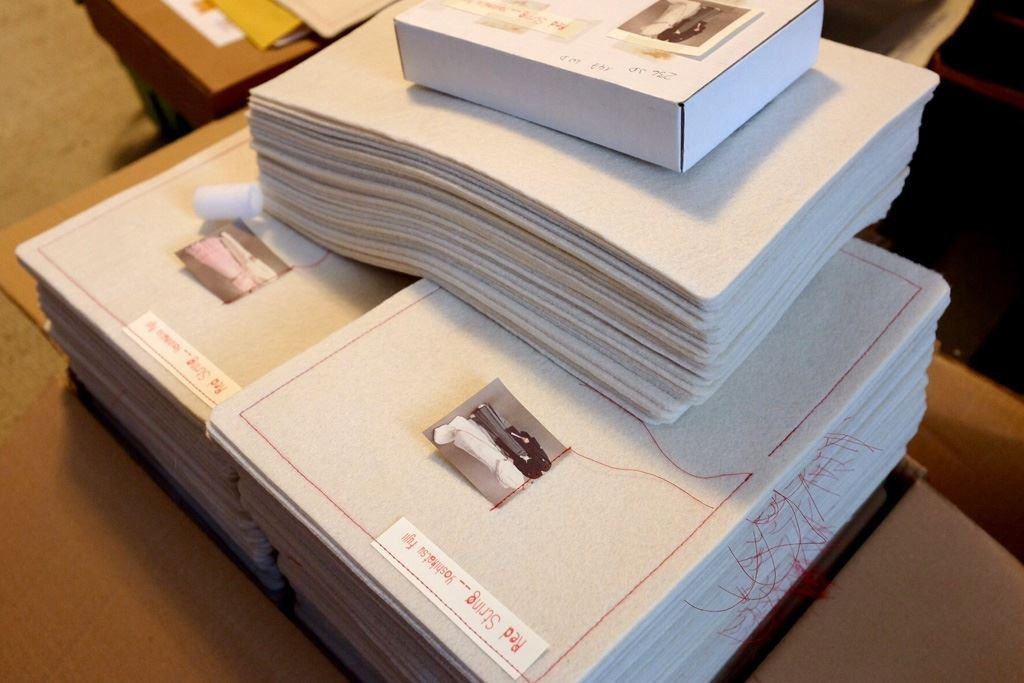
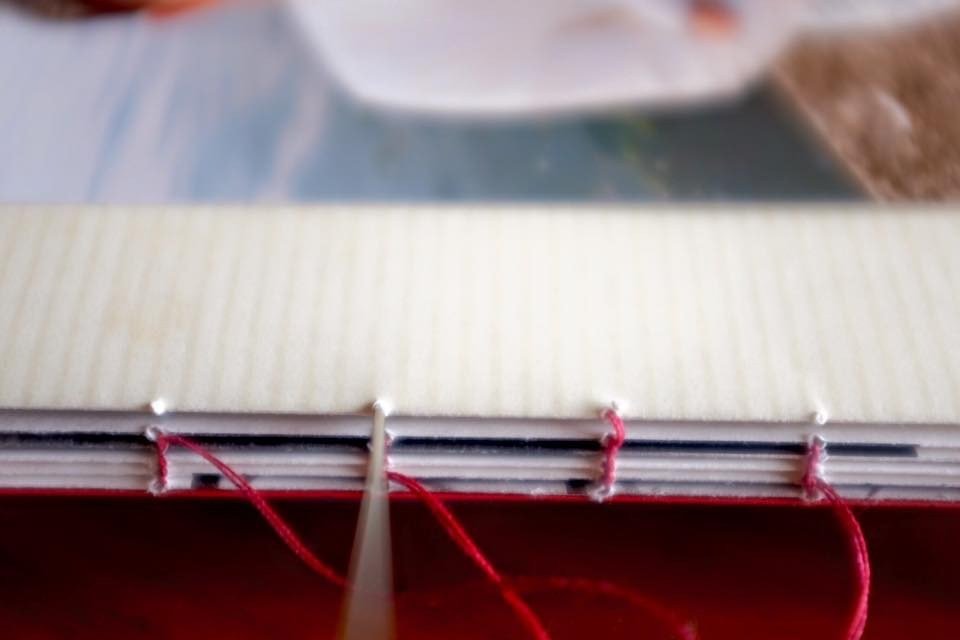
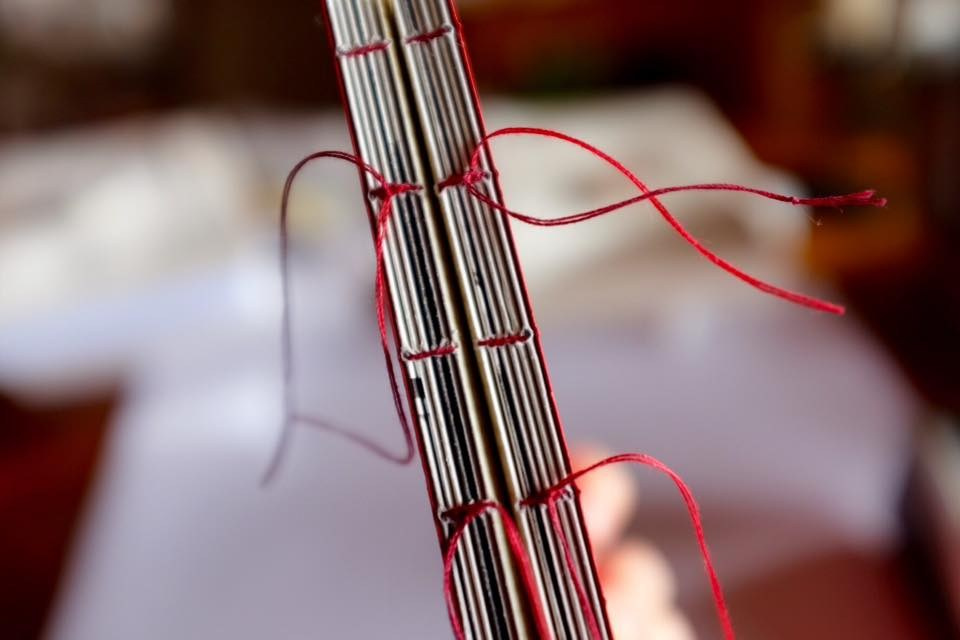
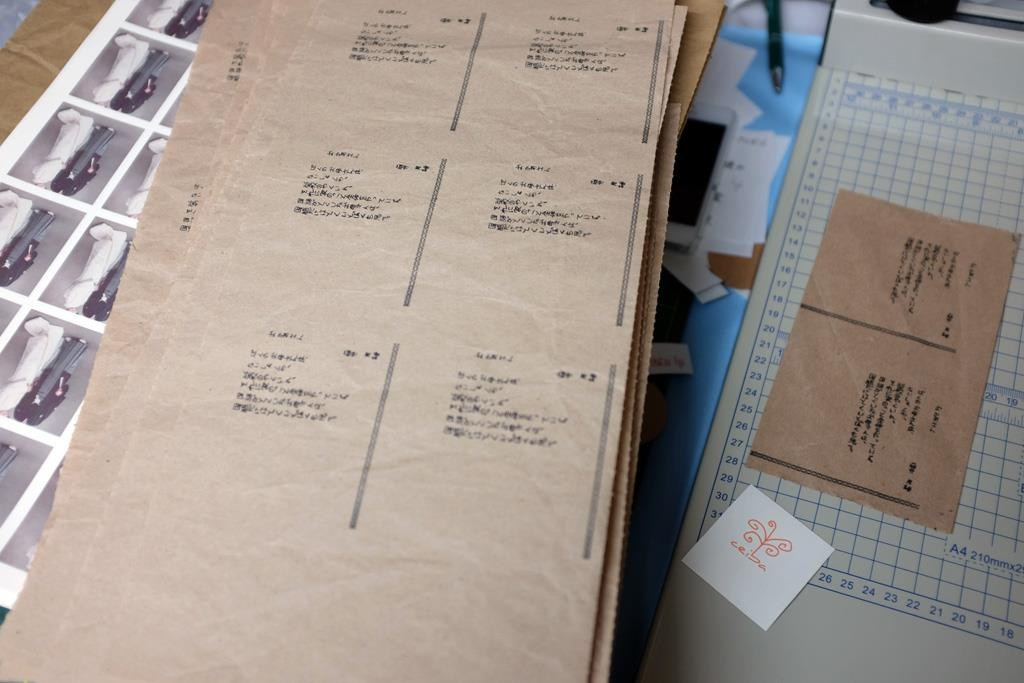
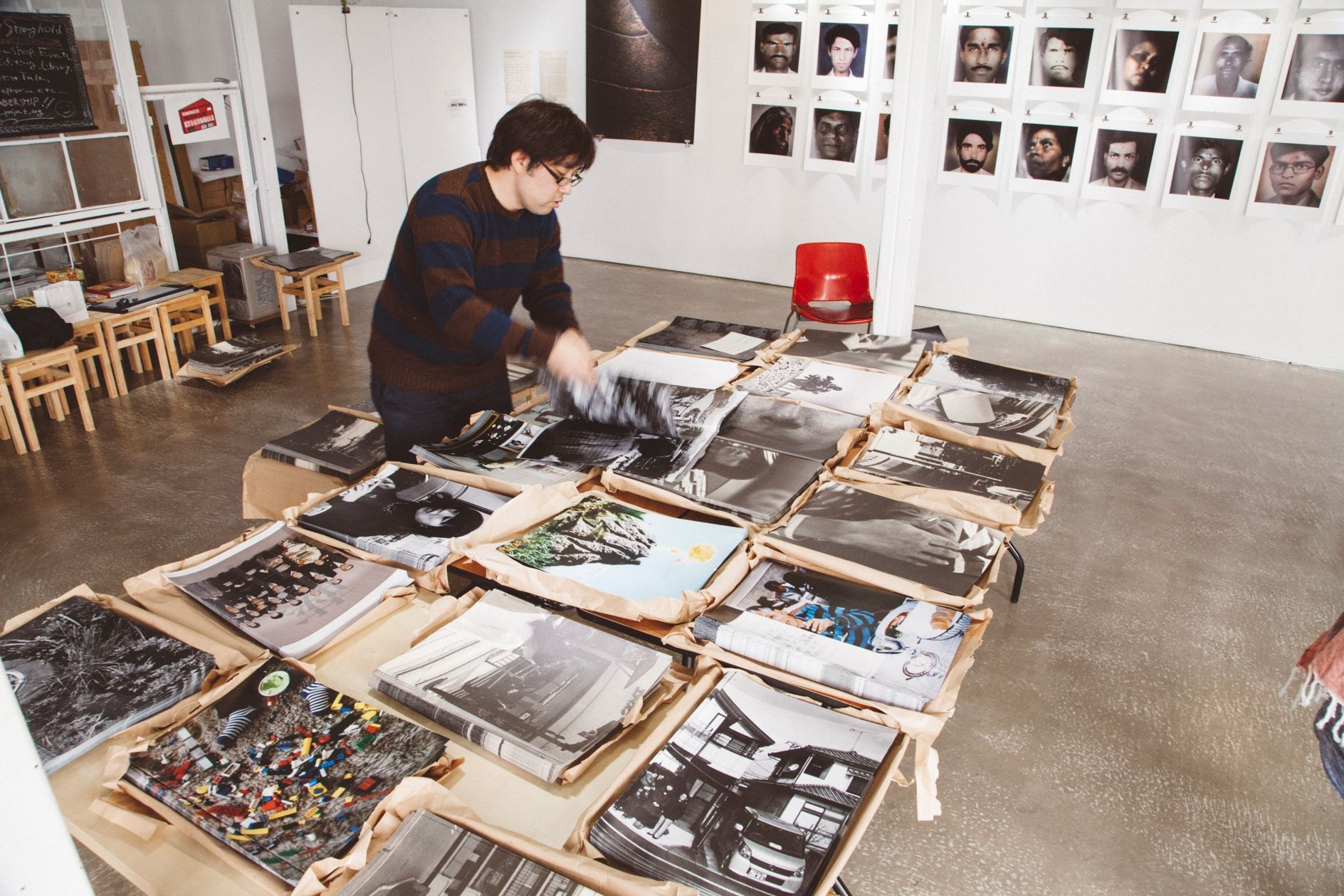
Do you have a clear vision of how an artist's book should be created? In your opinion, is it difficult (or even important) to stick to a single genre, especially since the lines between different types of photobooks are becoming blurred?
Trends exist in every field, including photobooks. In Japan, for example, many zines have recently been produced using a retro-style printing method with risograph. However, I sometimes feel that the question of why risograph should be used is not examined very deeply.
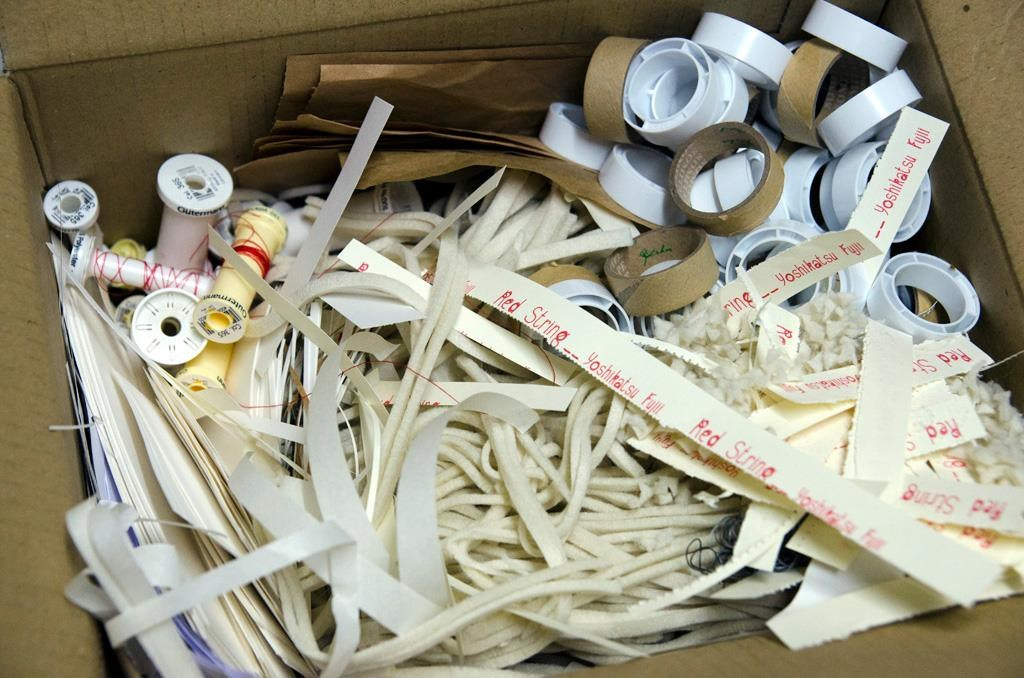
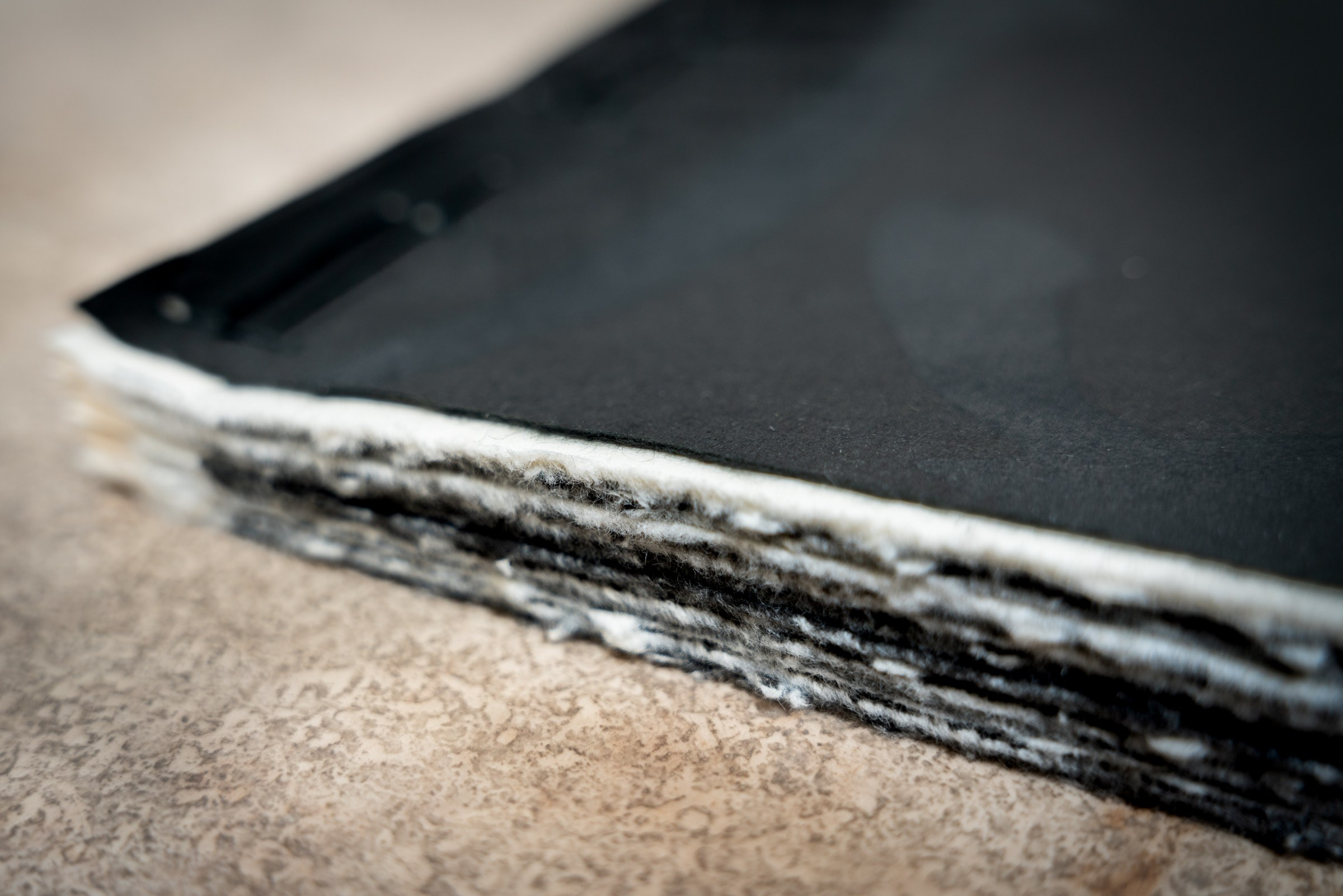
For me, every element in a book should have a reason. Even something as simple as the texture of paper can convey different emotions through touch, and those physical qualities are an important part of how a work is experienced.
Because of that, I am not very interested in following trends. What matters to me is whether each decision in the making of a book is meaningful and necessary for the work itself.
I am also not particularly interested in genres. What interests me is the relationship between the content of the work and how it is expressed through the form of a book. In the end, a photobook should not be defined by a style or trend, but by the necessity of its form.
How do you view the current state of the photobook as a medium? Looking at recent award winners, major competitions, and the most talked-about releases of the last few years, which trends do you find truly meaningful and productive, and which ones do you find questionable? Are there any recent books, artists, or publishing approaches that particularly resonate with you — and what do you think they reveal about where the photobook as a medium is headed?
I feel that, especially now, it is important to return to a fundamental principle: to make books that could only have been created by the person who made them. To produce a photobook that is inseparable from its author’s perspective, experience, and necessity feels increasingly vital in the current moment.
In this regard, I am particularly interested in artists who have continued working consistently from the early days of self-publishing up to the present, such as Max Pinckers and Thomas Sauvin. Their sustained practices offer a valuable perspective on how the photobook can evolve over time while remaining grounded in a strong personal vision.
What fascinates me is considering why each individual book came into being at a particular moment. Reflecting on the necessity behind each publication—what made it urgent or inevitable at that time—reveals the deeper conditions that shape the work. In that sense, the photobook is not just a container of images, but a trace of a specific time, context, and personal commitment.
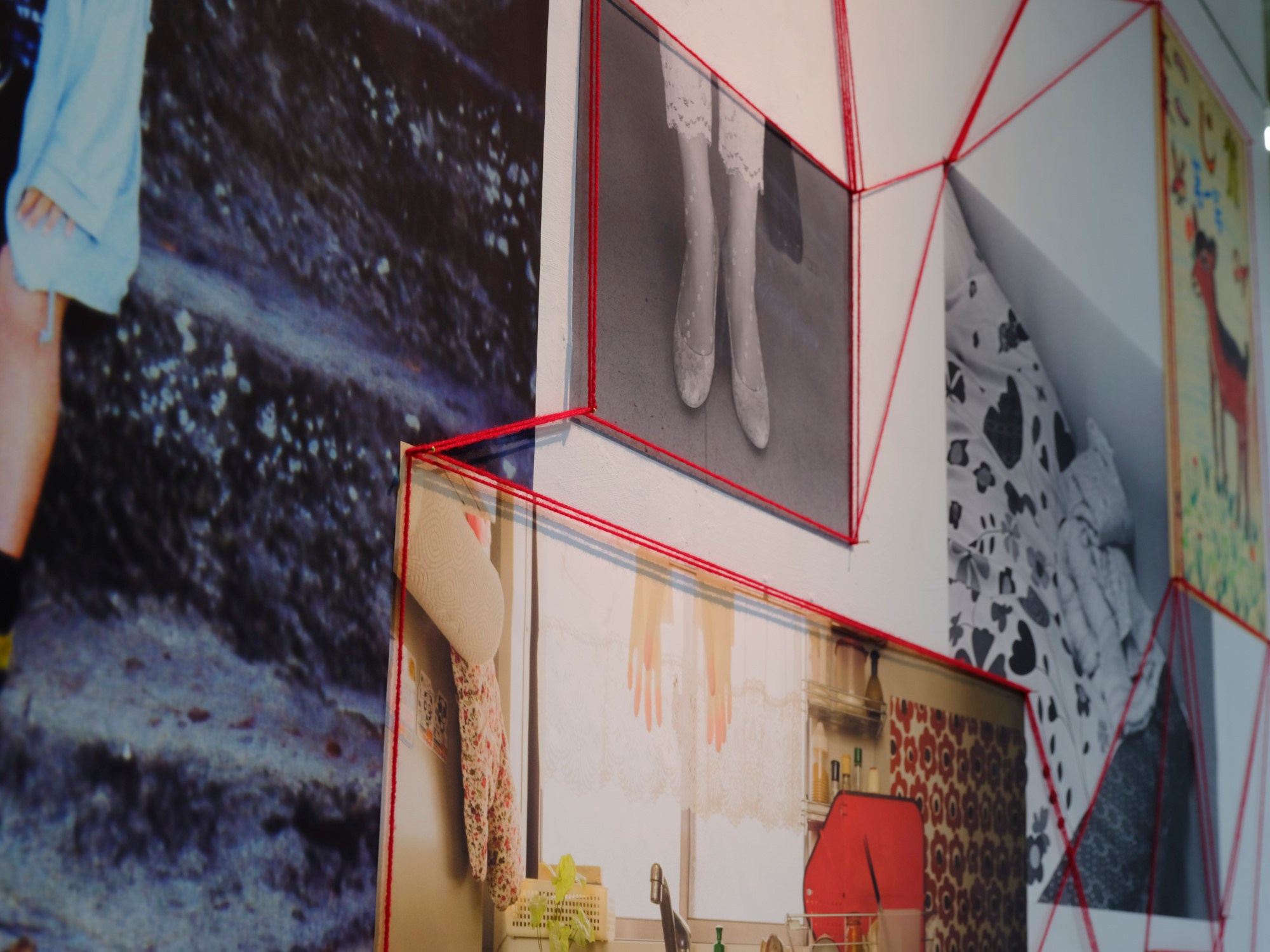
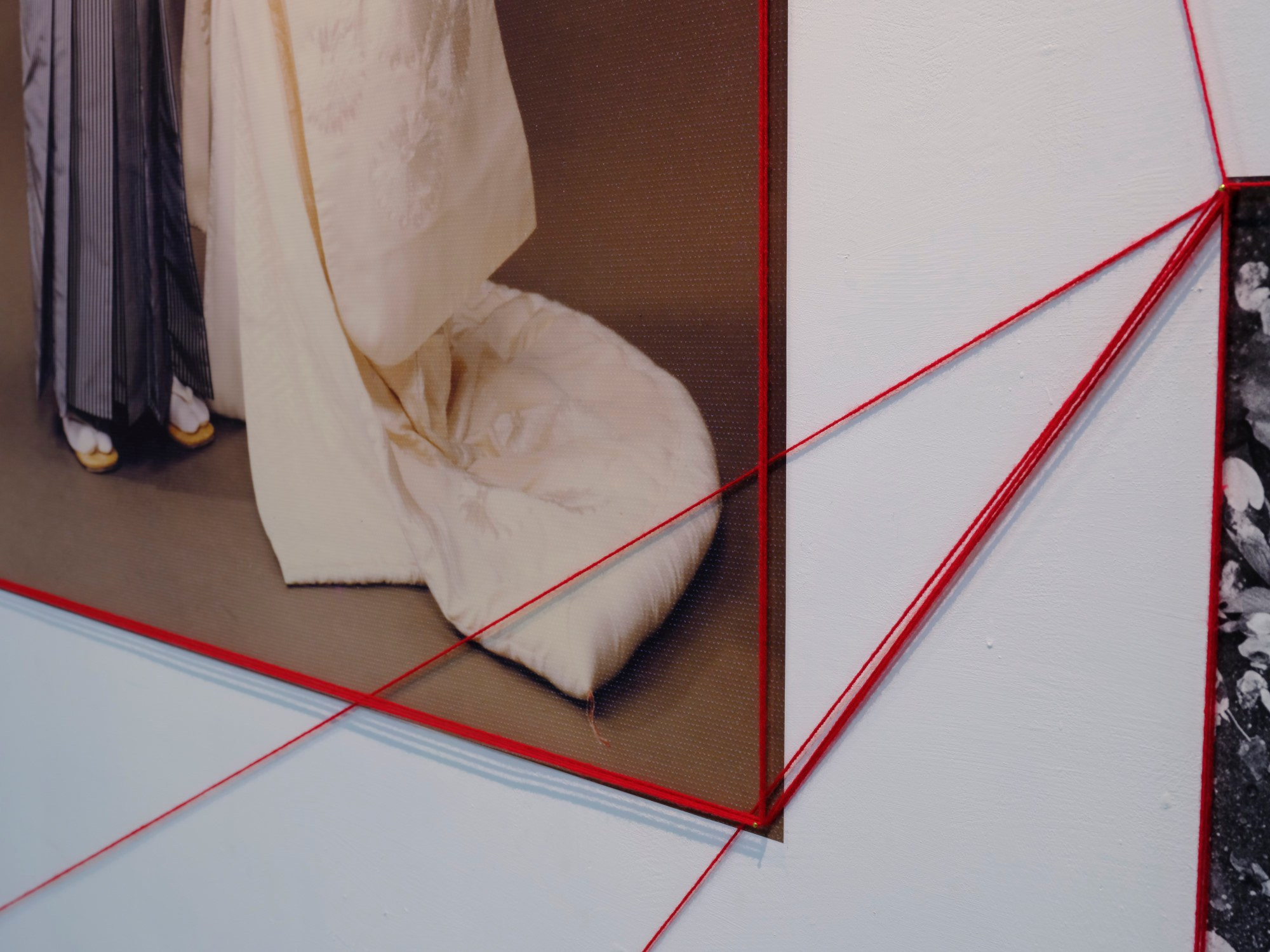
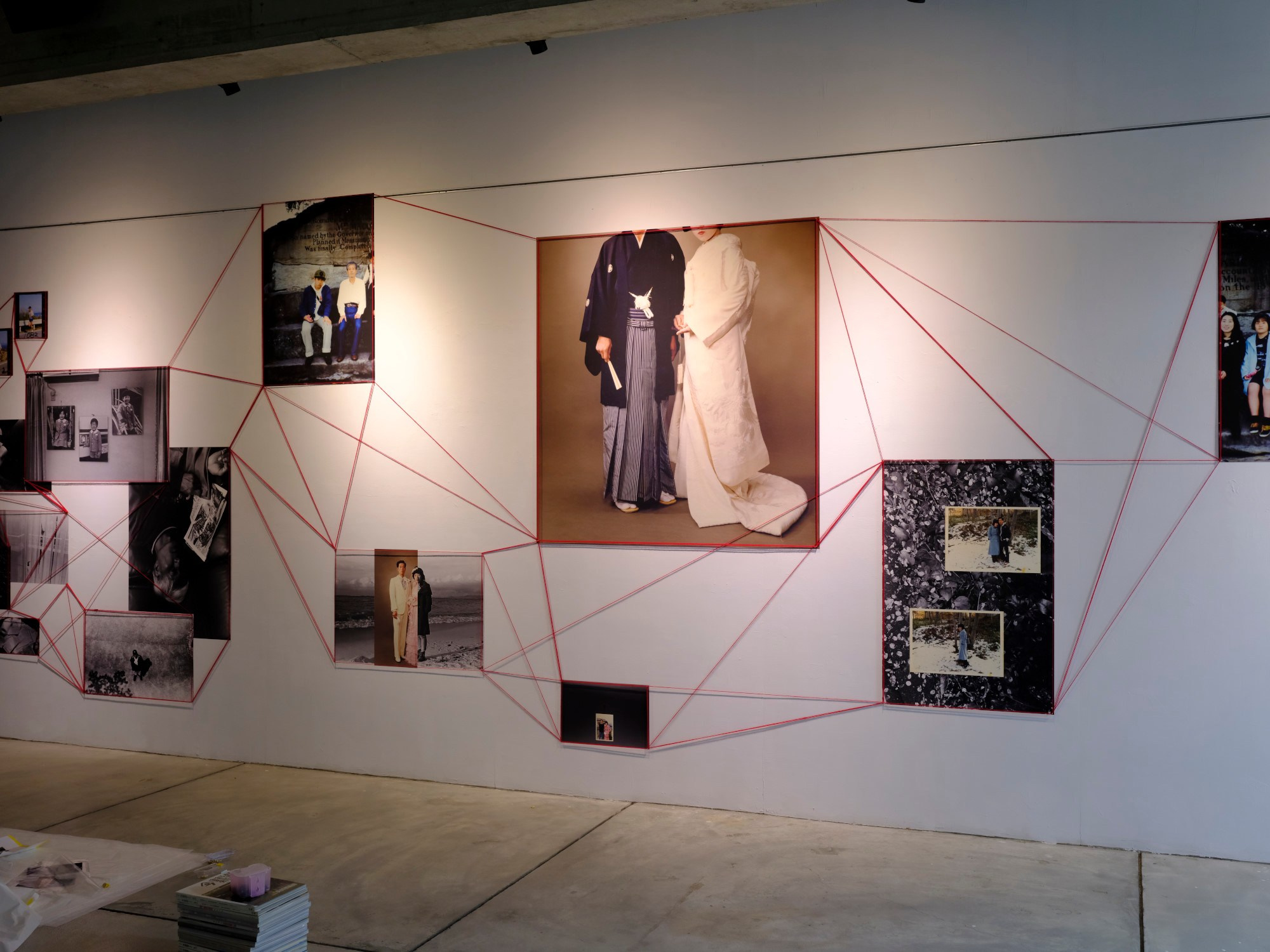
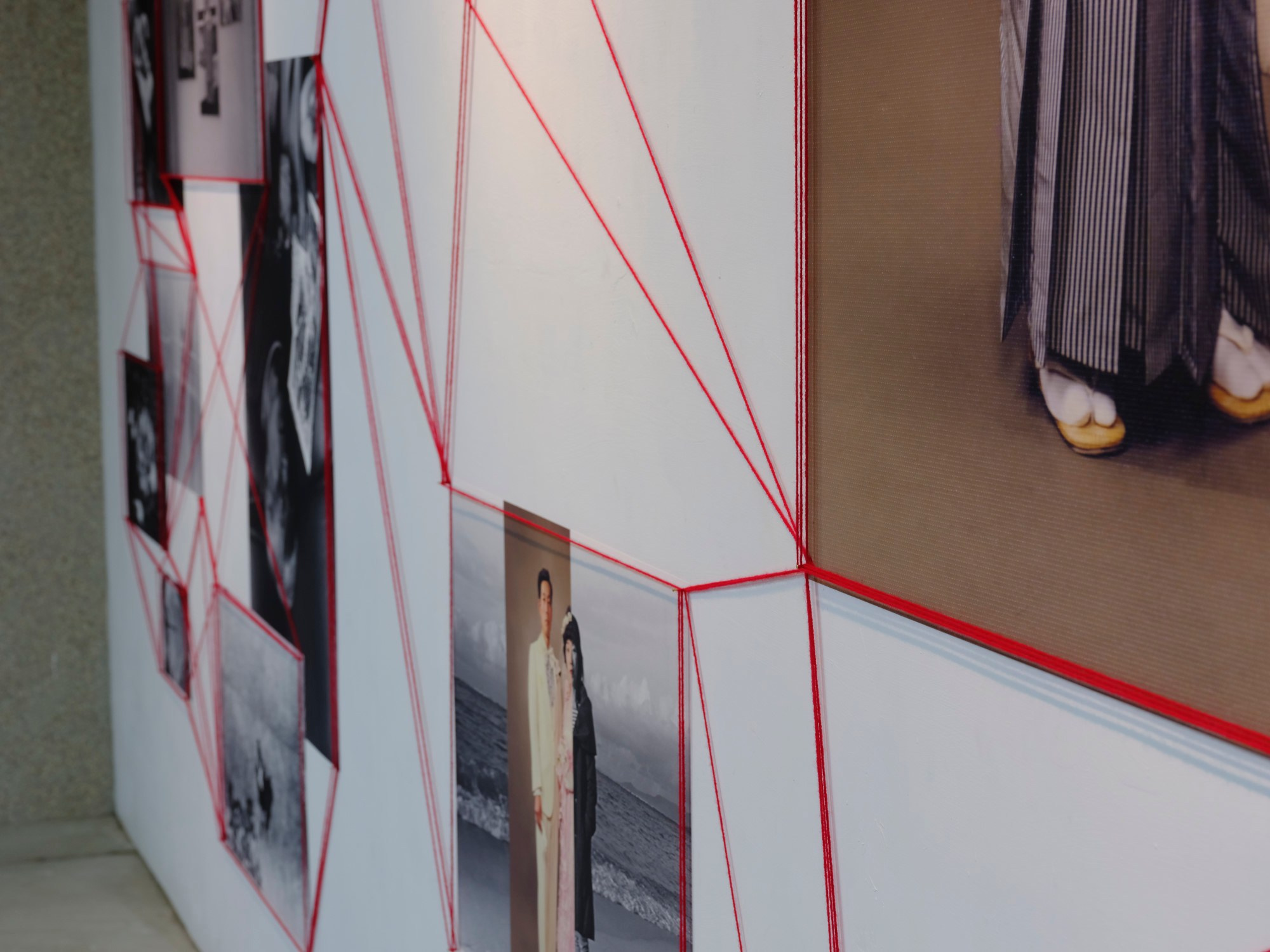
Nowadays, the lines between photobooks, artists' books, zines, and standard photo monographs are becoming increasingly blurred. What’s your take on this? Where do you draw the line between these formats, and is it even important to maintain these distinctions? To you, what defines an 'author’s photobook' — is it the content, сohesion between form and content, production method, or print run? And can a book released by a publishing house in a conventional format still be considered an 'author’s photobook' if the project’s vision is fully realized through the medium of the book?
Publishing through a publishing house inevitably comes with various constraints, not only in terms of production costs but also in terms of content. At the very least, there is an expectation that the book will sell enough to avoid a financial loss. These conditions, whether explicit or implicit, can shape the outcome of the work in significant ways.
In contrast, artists’ books and zines—if we are to group them under the term «author’s books”—operate with far fewer restrictions. They allow the maker to translate their intentions more directly and materially into the form of the book, without having to negotiate with external expectations such as marketability or scale.
For me, this is where the line between formats is drawn. It is not so much about appearance, print run, or distribution method, but about the degree of autonomy the author retains, and how fully their intent can be realized within the material form of the book.
Do you feel that the photobook has reached a point where simply using the format is no longer enough — that it needs to be critically re-examined within the artistic projects themselves? Can the book still serve as a powerful way to articulate a project, or does the focus on the object, design, and 'bookishness' sometimes start to overshadow the actual content? In your view, where is the line between a truly justified use of form and a situation where the form becomes speculative — amplifying the project without adding real depth?
Book design should always serve to complement the project or work itself. Too often, I see designs that feel like imitations of books seen elsewhere, where the visual approach does not truly align with the content of the work.
In my view, a justified or «authentic» design arises naturally from the work itself—it enhances and embodies the project rather than existing as an independent aesthetic exercise. Designs that feel applied merely for the sake of presentation, without being rooted in the work’s substance, risk coming across as experiments in style rather than meaningful extensions of the content.
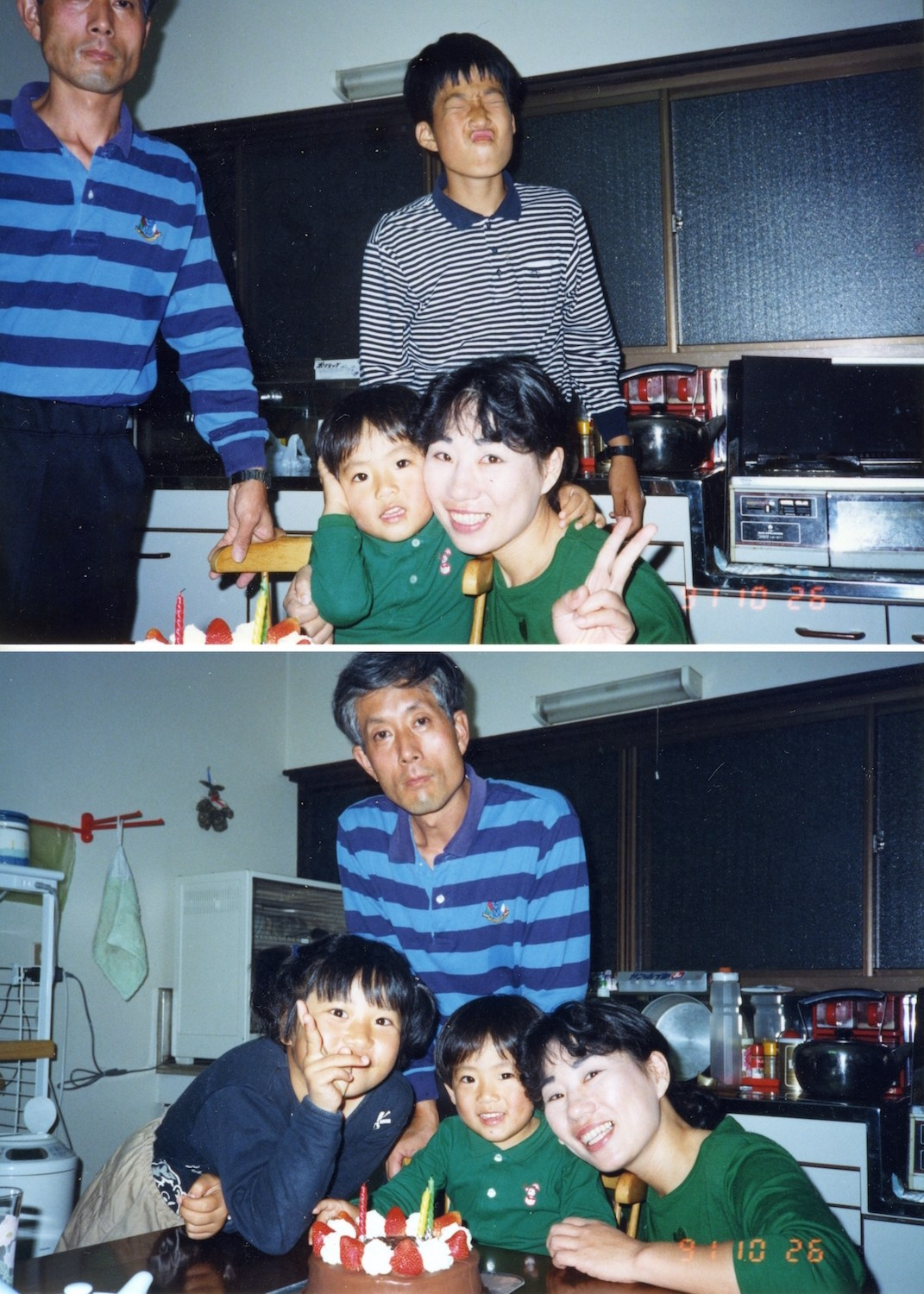
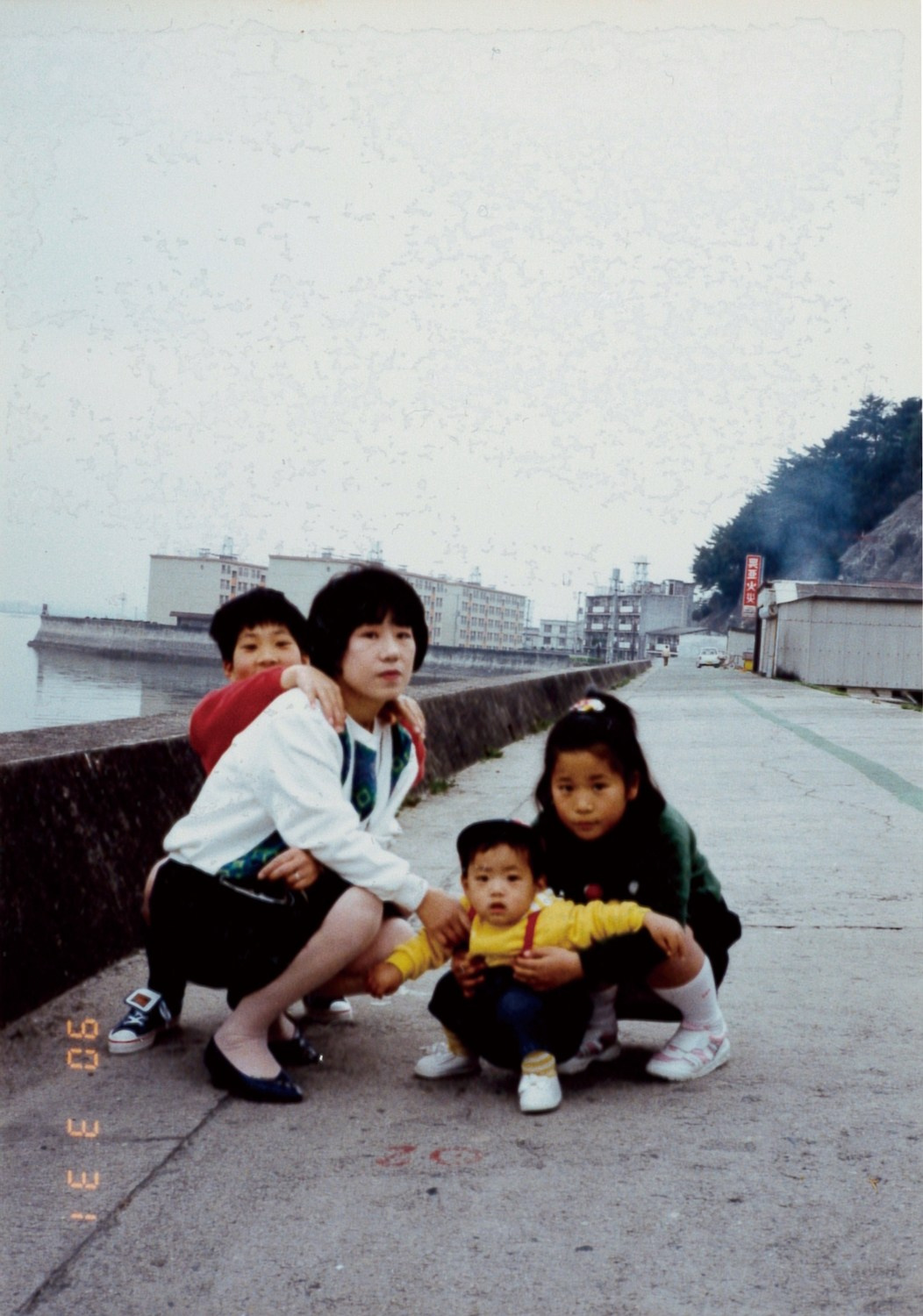
The Red String focuses on a painful experience — your parents' divorce and the subsequent feeling of «disconnection» within the family that you mention in the project description. How has working on Red String affected your family relationships?
The reason I felt compelled to make this work was quite personal. I was the only member of my family living alone in Tokyo, so I had not witnessed the process through which my parents’ relationship deteriorated. When they divorced, I realized that I did not really understand why it had happened.
At that time, I had been communicating quite a lot with my mother and had heard her side of the story in detail. But it also made me realize that I had hardly communicated with my father for a long time.
Because of that, I began photographing my father as a way of trying to understand who he was, how he had lived, and what had led to the divorce. That was the starting point of this project.
Through this process, I would say that at least the relationship between my father and me became much closer. In that sense, the project was not only about documenting my father, but also about rebuilding a relationship that had long been distant.
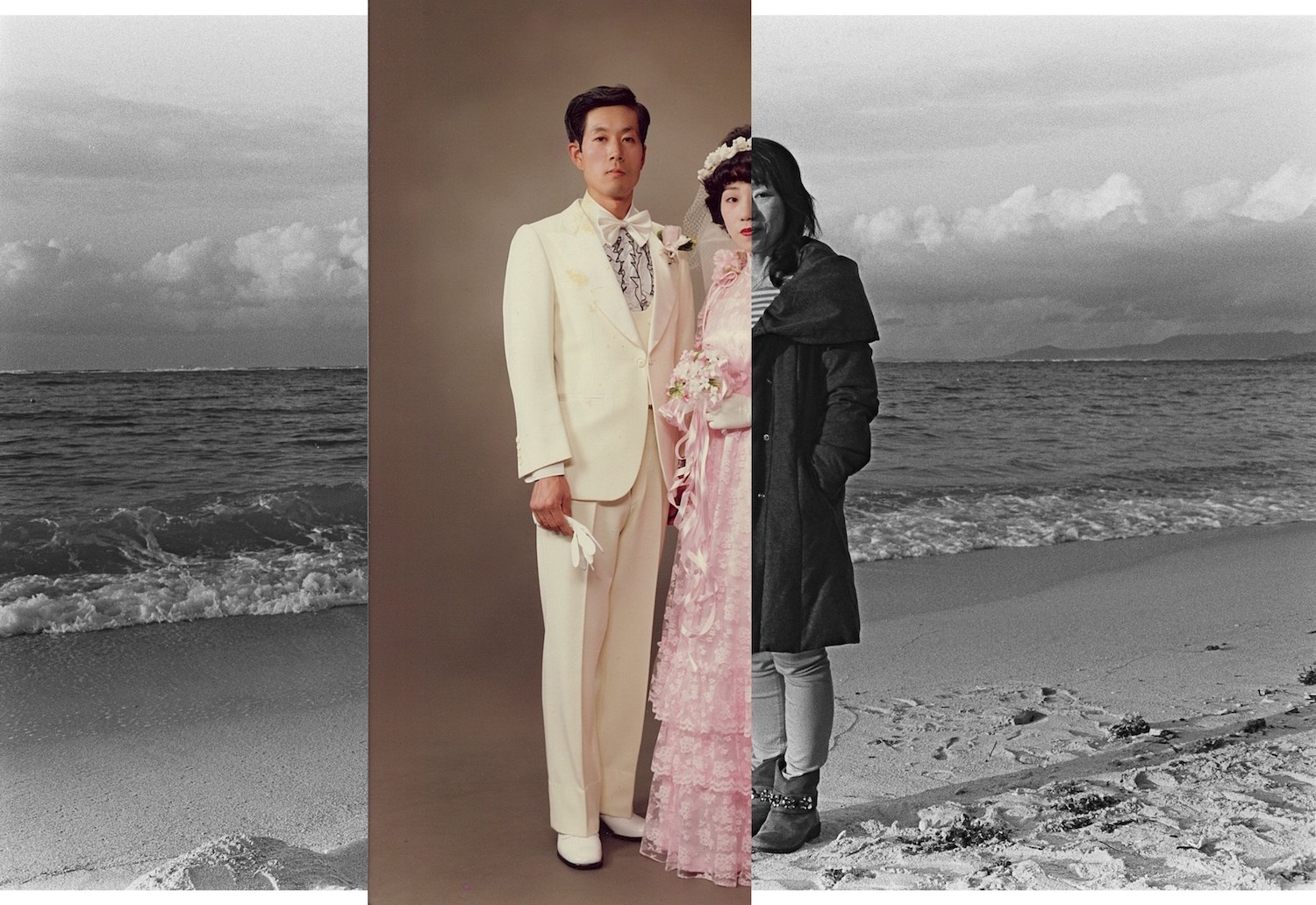
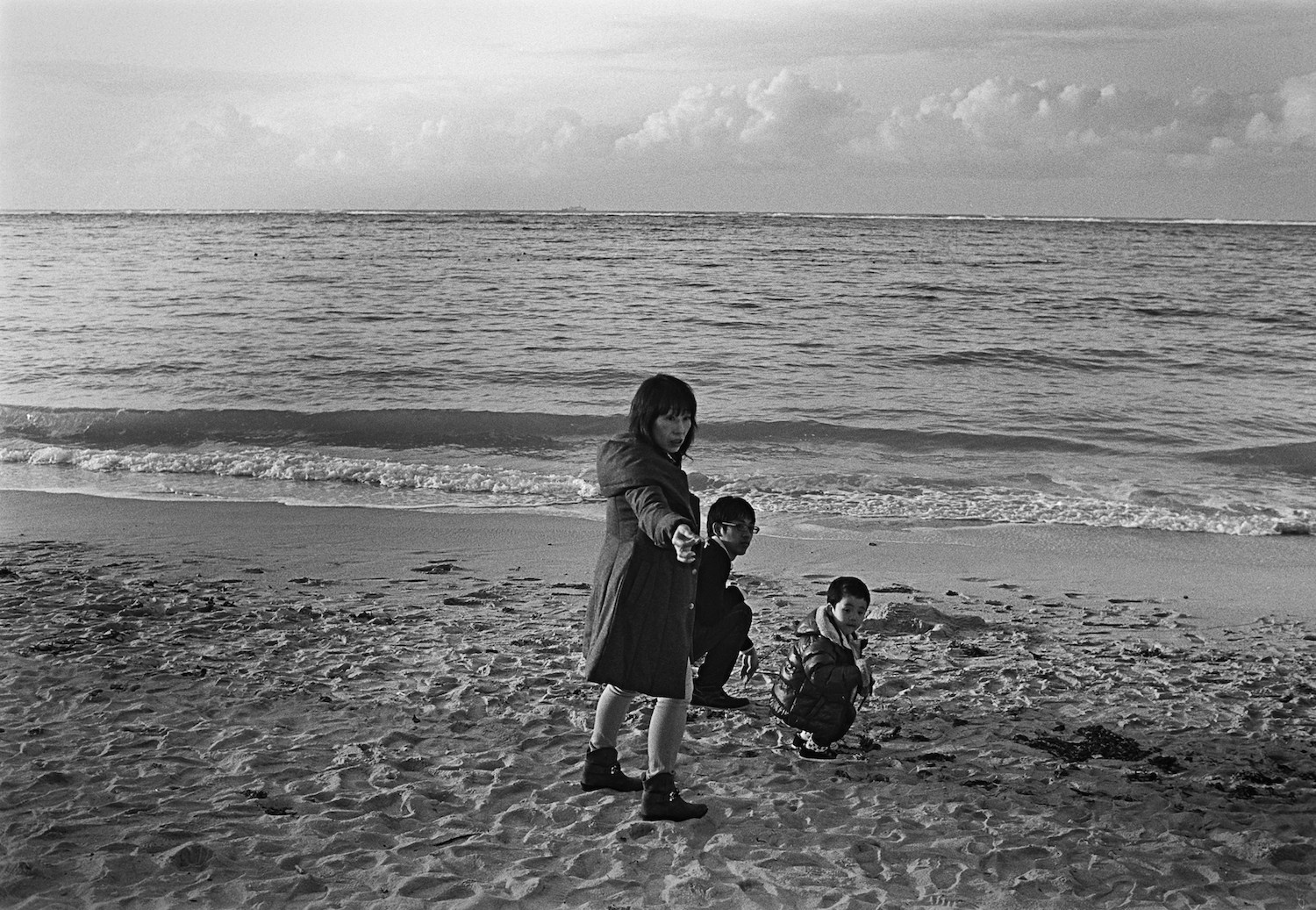
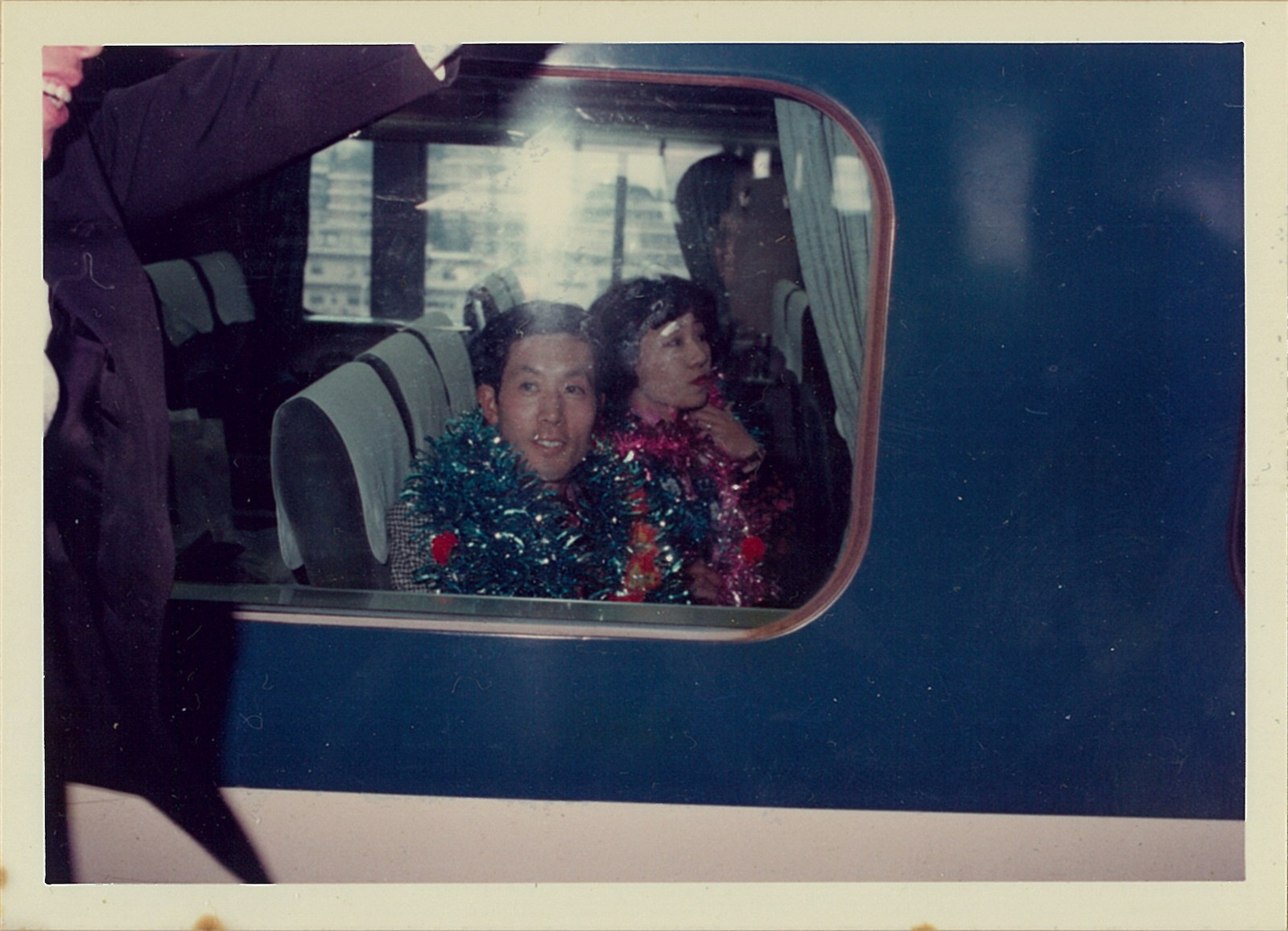
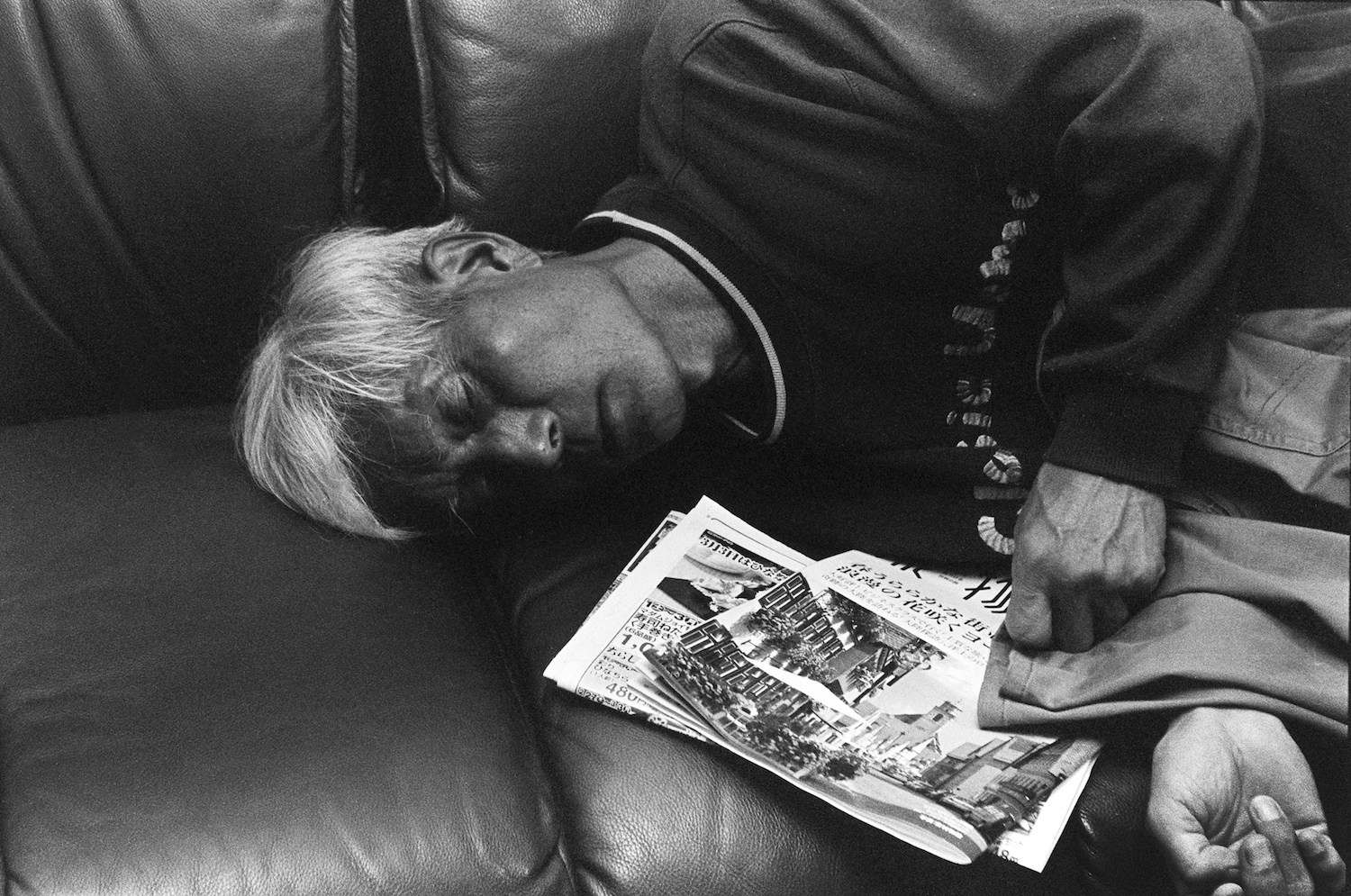
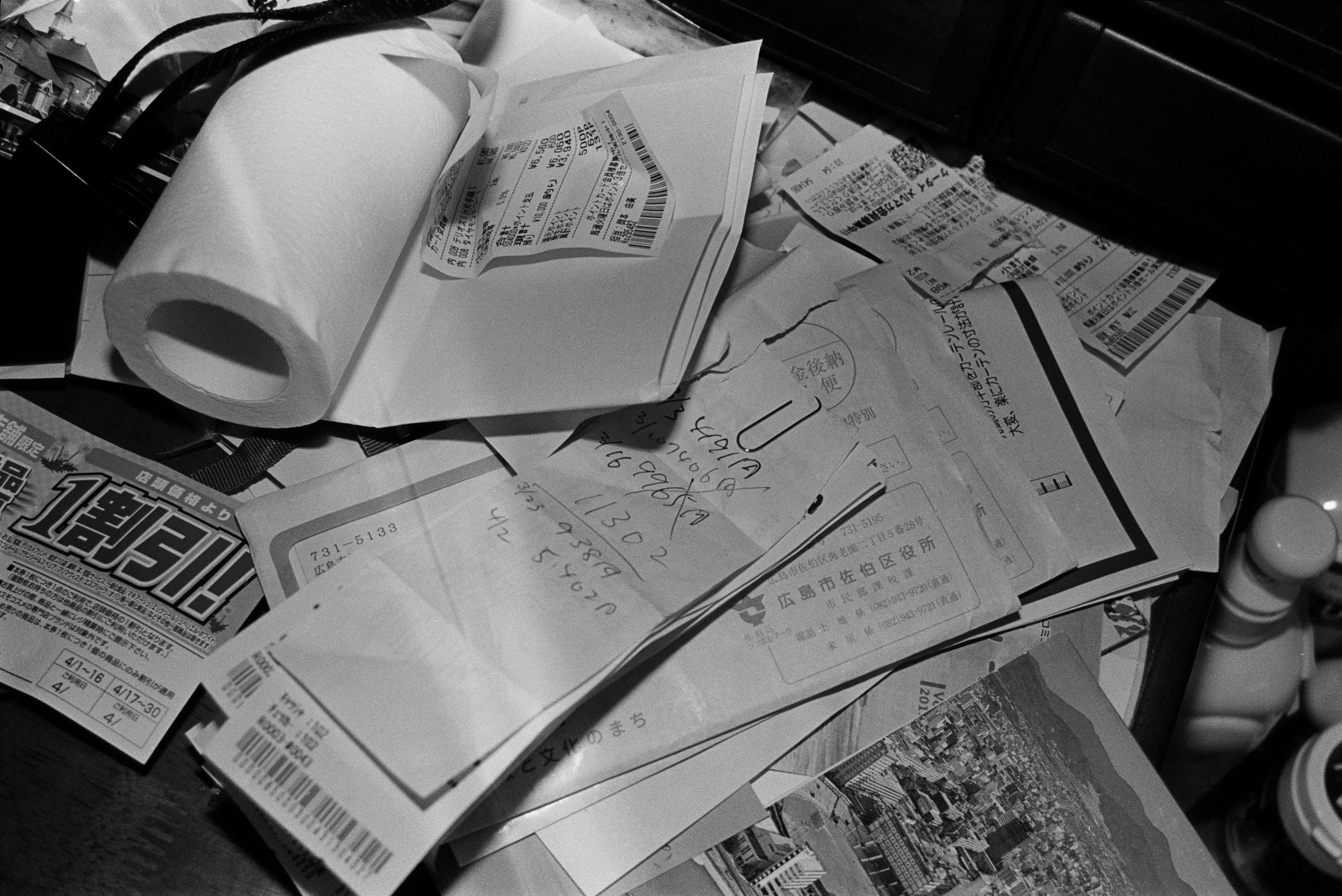
The book’s layout reinforces the core concept: it consists of two separate volumes that can be interpreted as the «father’s world» and the «mother’s world». Even when the images across the two books align to form a single picture, a physical gap remains between them. How did you arrive at this specific format, and did you have any other ideas for translating this concept into a photobook format?
My mother has always been close with the rest of the family, while my father seemed more isolated. It often felt as though two different groups existed within the same family. When I began thinking about how to express this situation within the material form of a photobook, I decided to divide the work into two separate books.
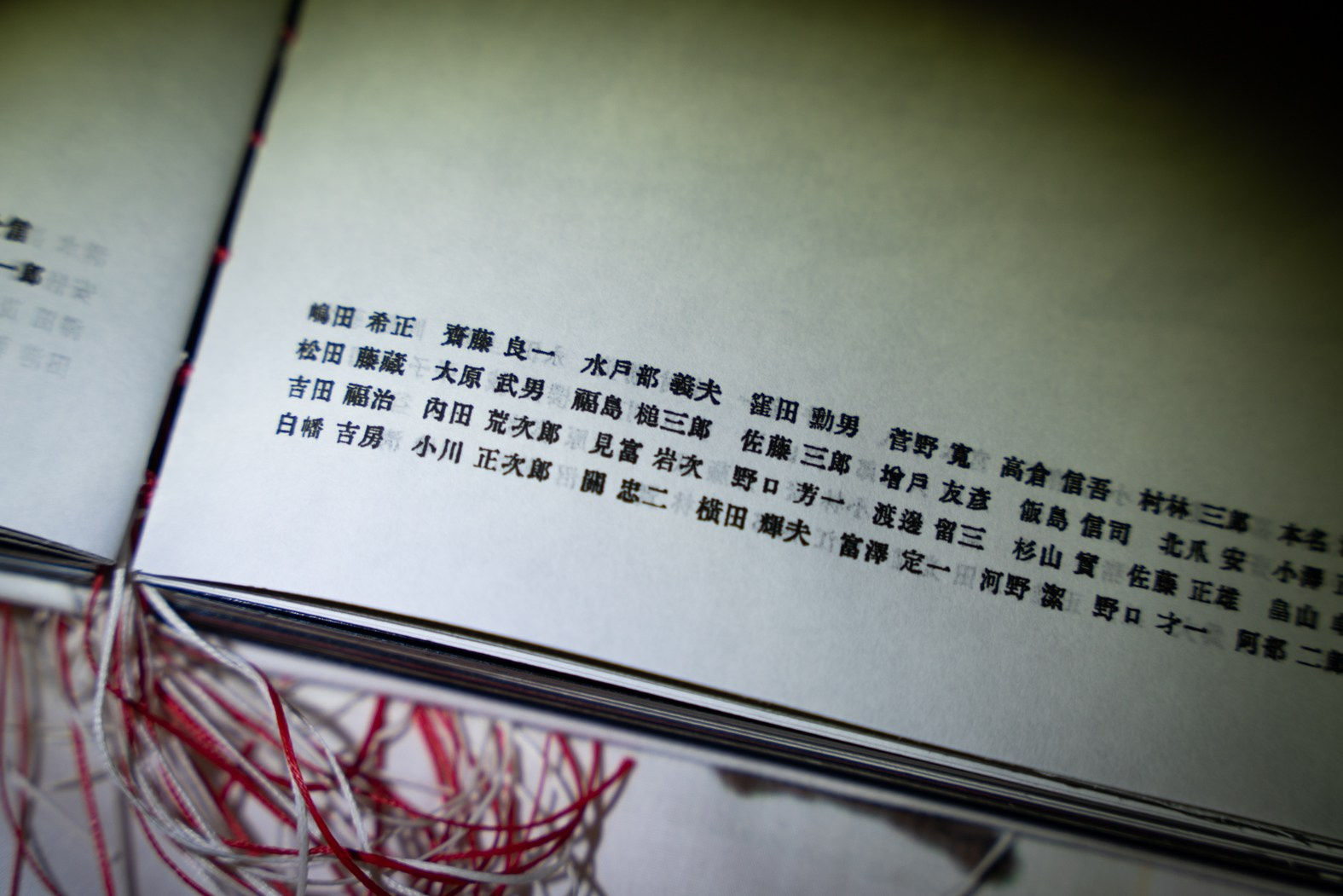
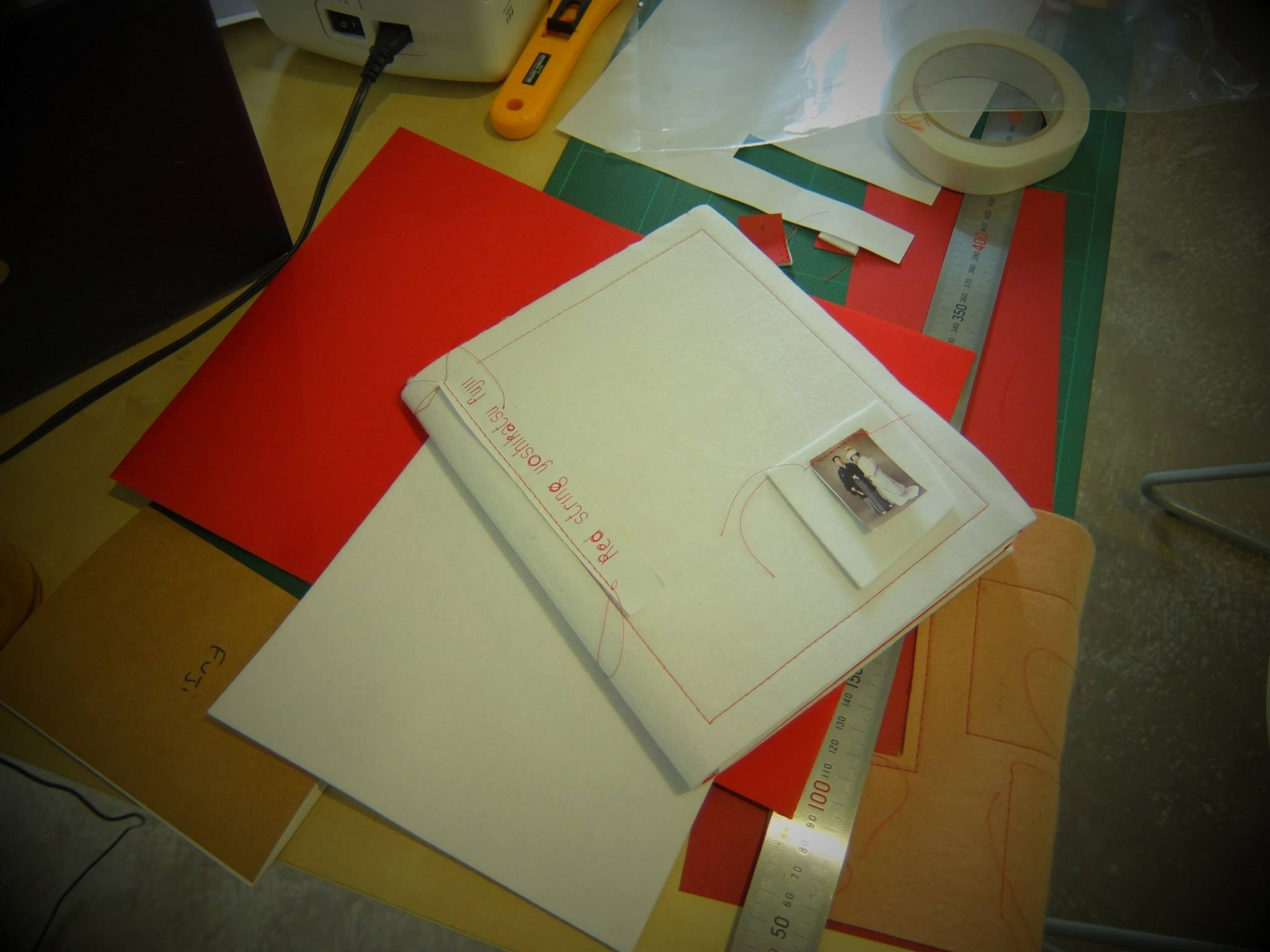
At the same time, the two books are connected by a single thin red string. The string symbolizes the fragile balance that holds a family together—something that appears unified on the surface, yet is composed of very different relationships.
The red string also reflects my own presence as the author of the work. In a sense, it represents my position within the family, connecting these two sides while looking back at our shared history. The string is both a physical element of the book and a metaphor for the invisible ties that continue to bind a family together.
Why did you decide to turn some of the images upside down?
This was actually a mistake that occurred while I was binding the dummy book. However, it made me think about how unexpected problems and mistakes inevitably occur in everyday life, and how we continue living while accepting them.
Because of that, I decided not to correct the mistake and instead leave it as it was in the final book. In a way, it reflects the imperfect and unpredictable nature of life itself. Sometimes accidents reveal something more truthful than something that has been perfectly controlled.
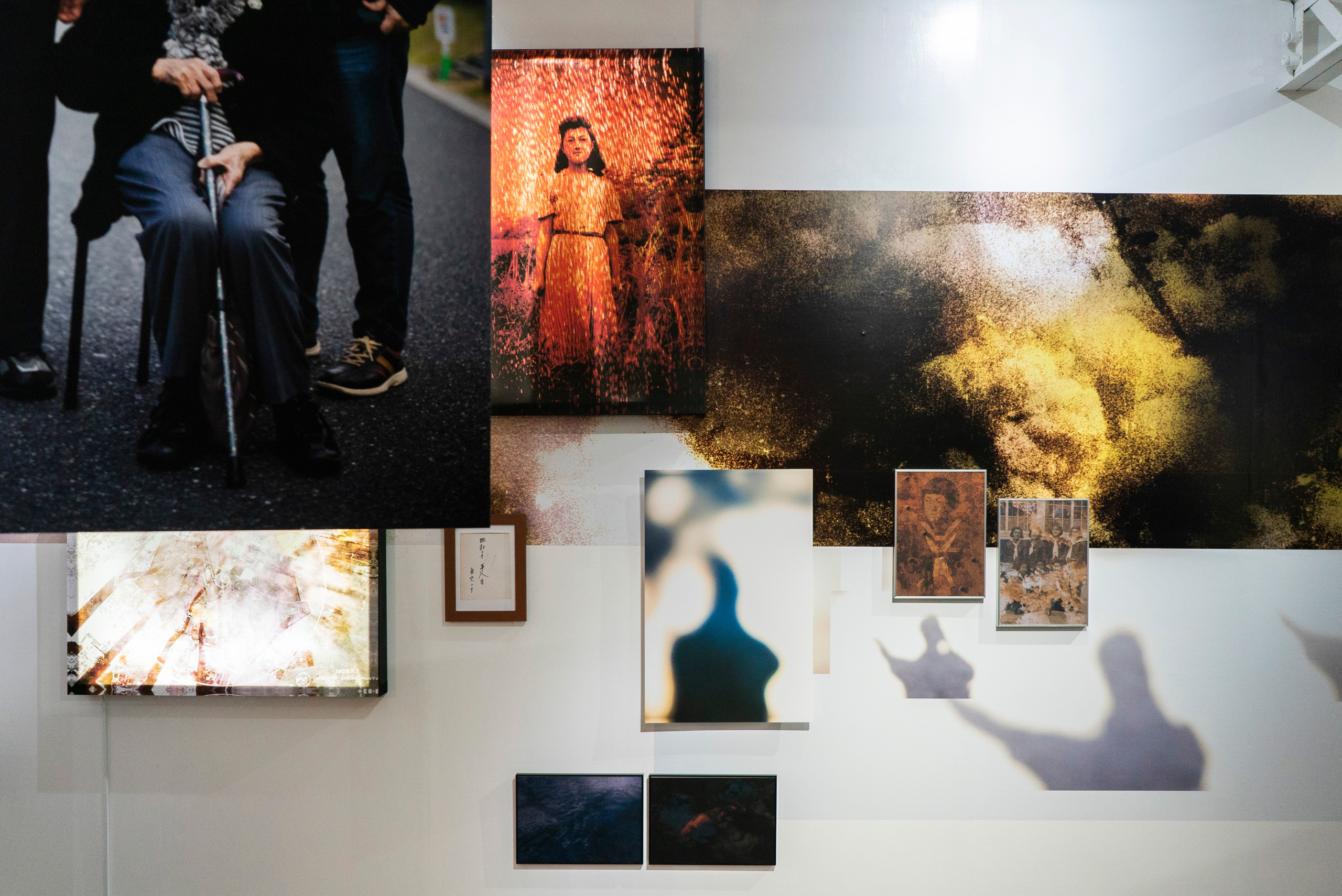
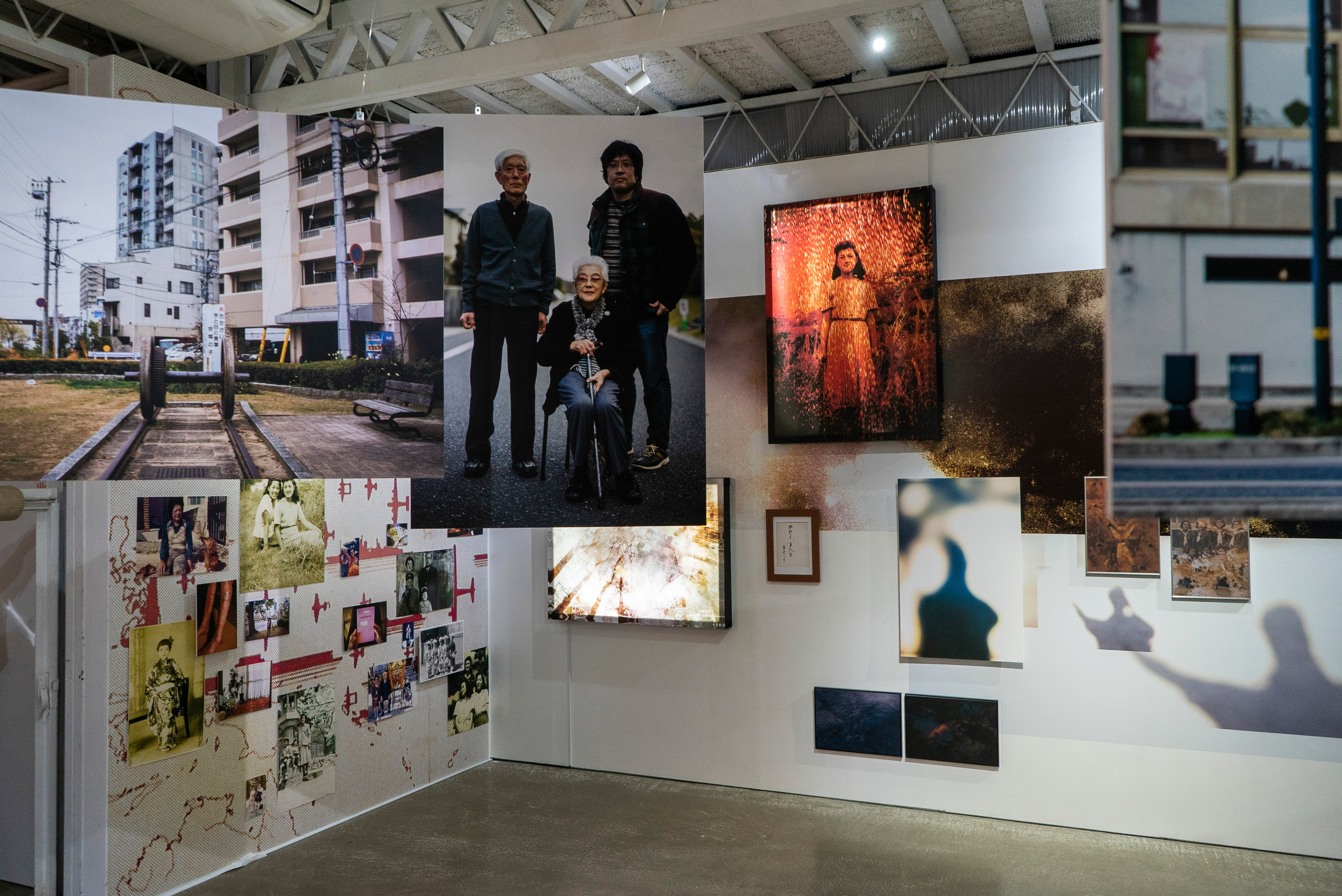
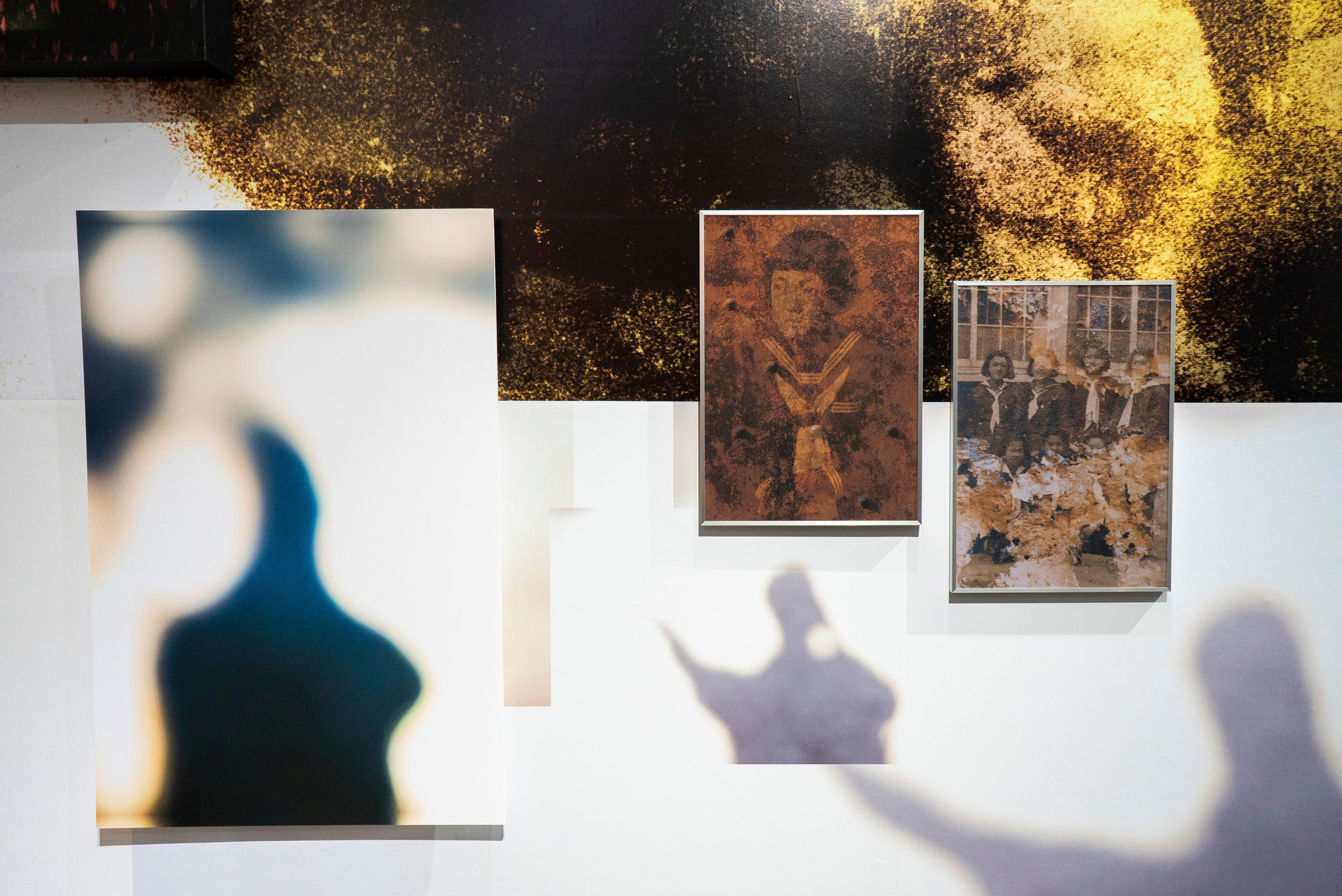
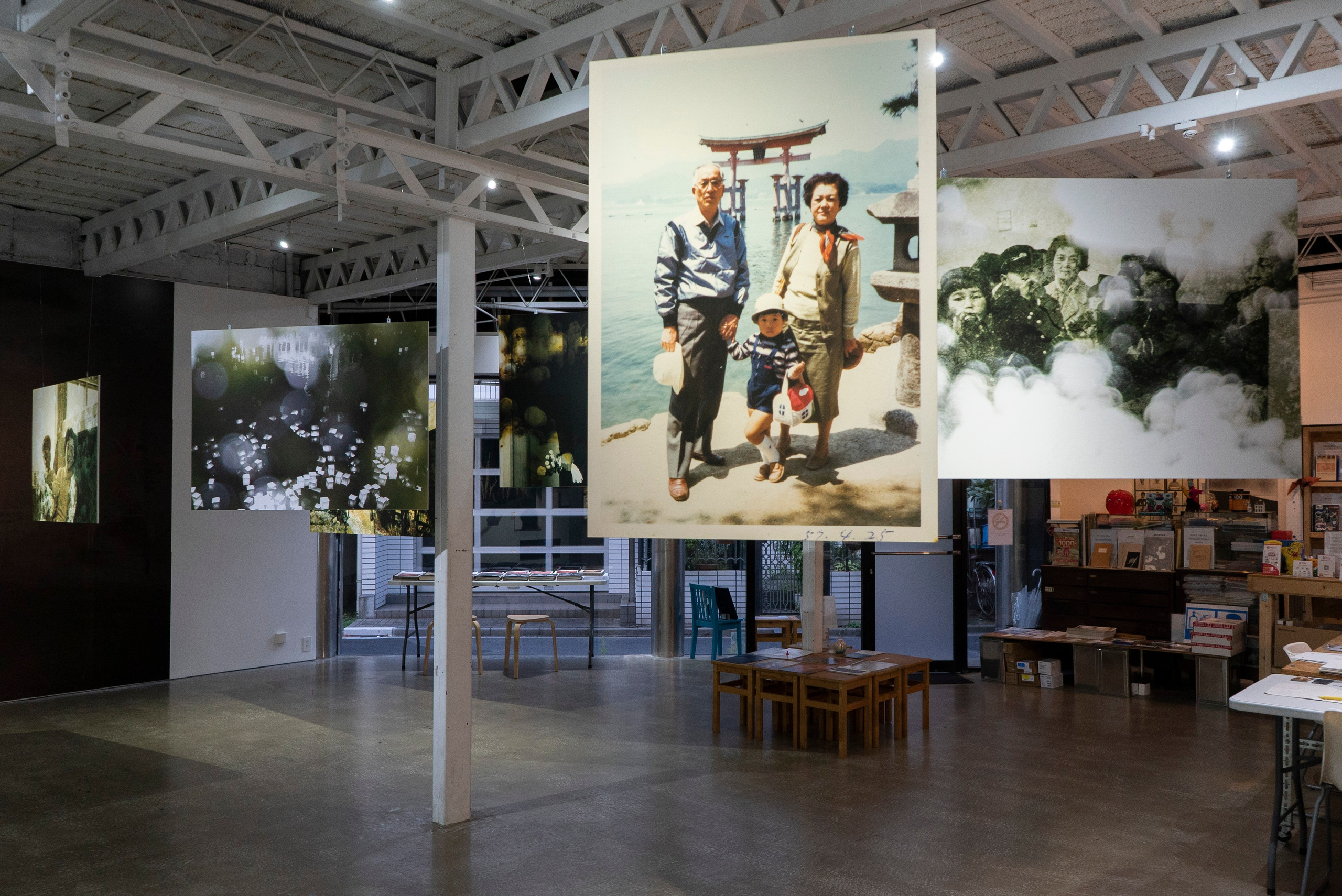
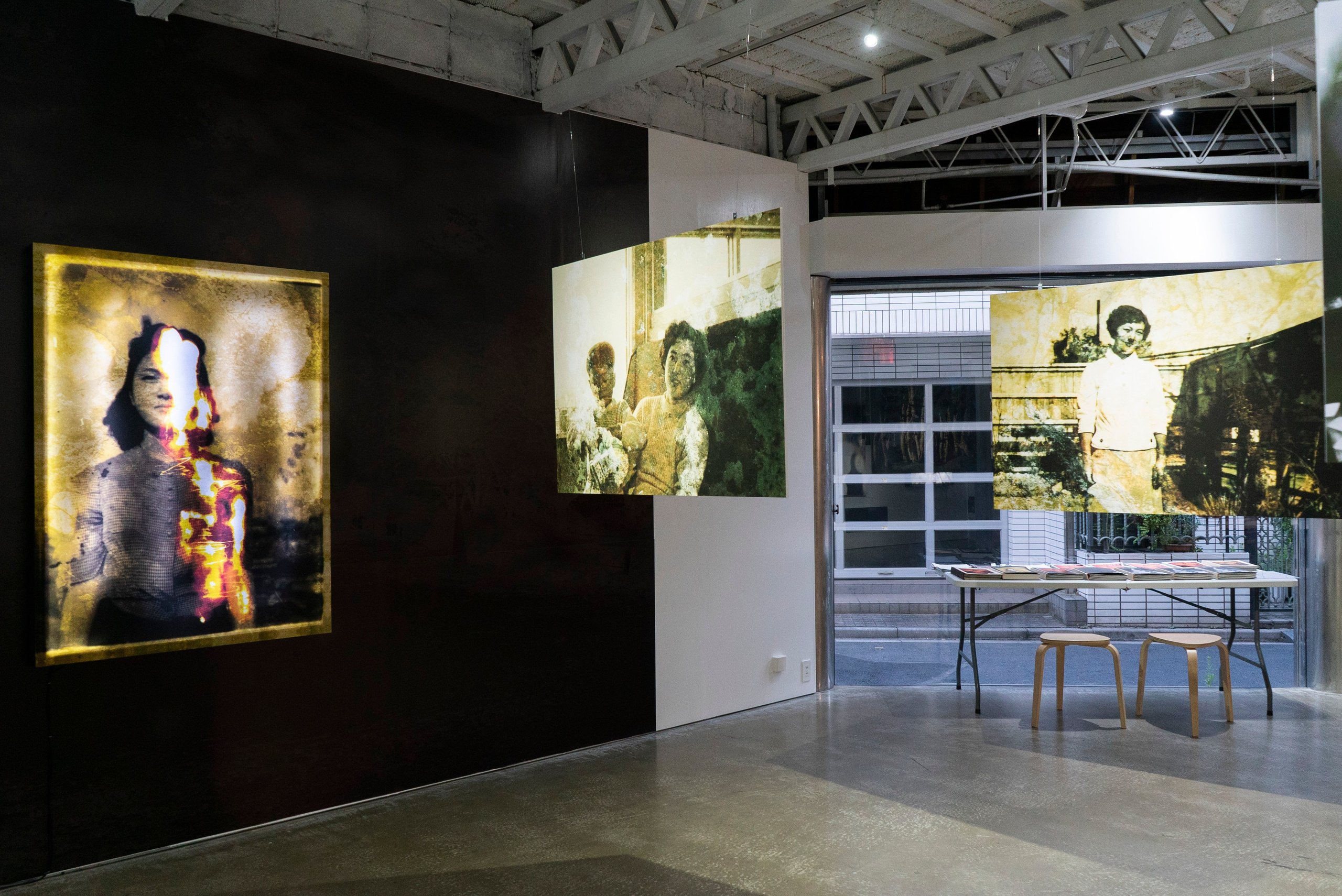
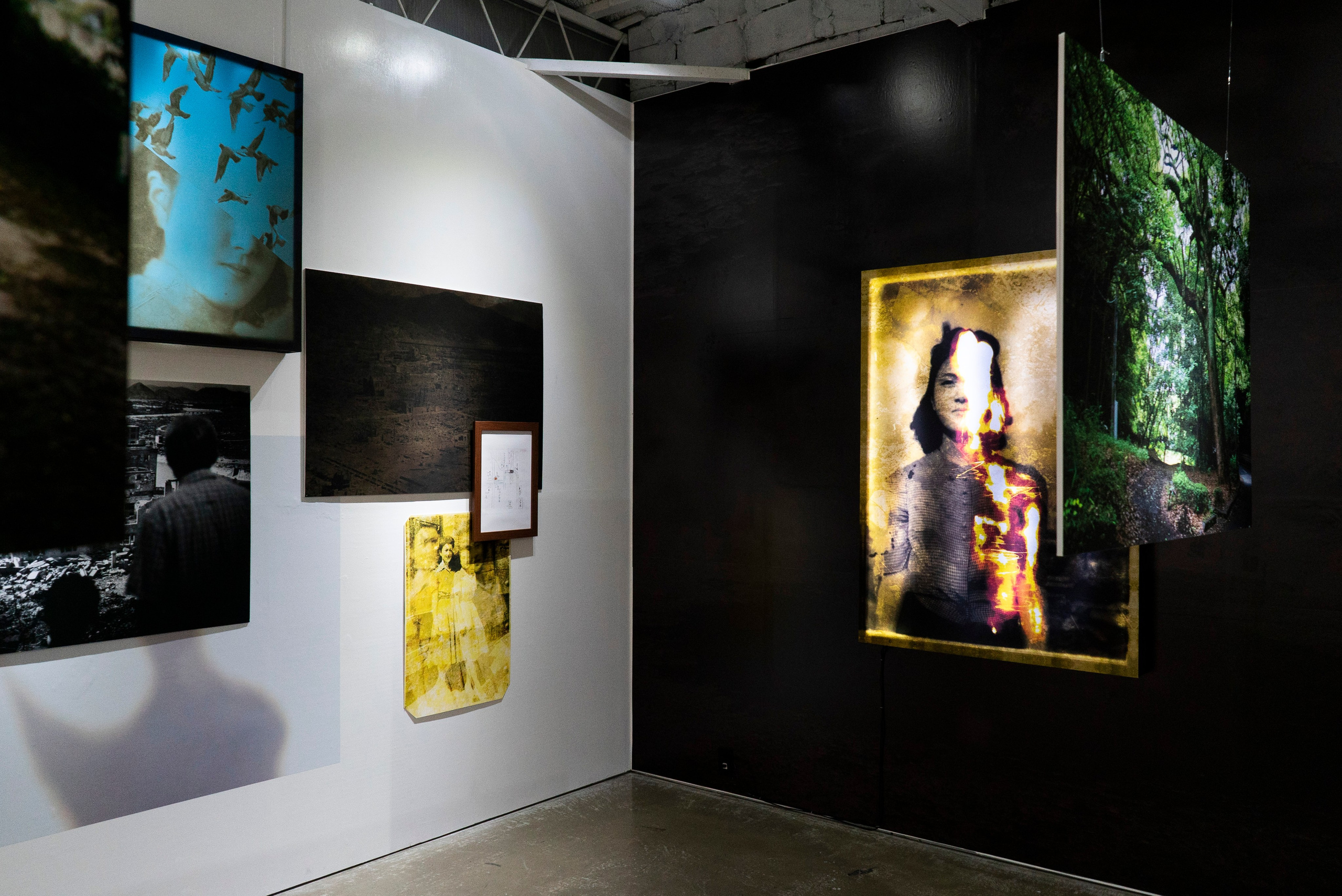
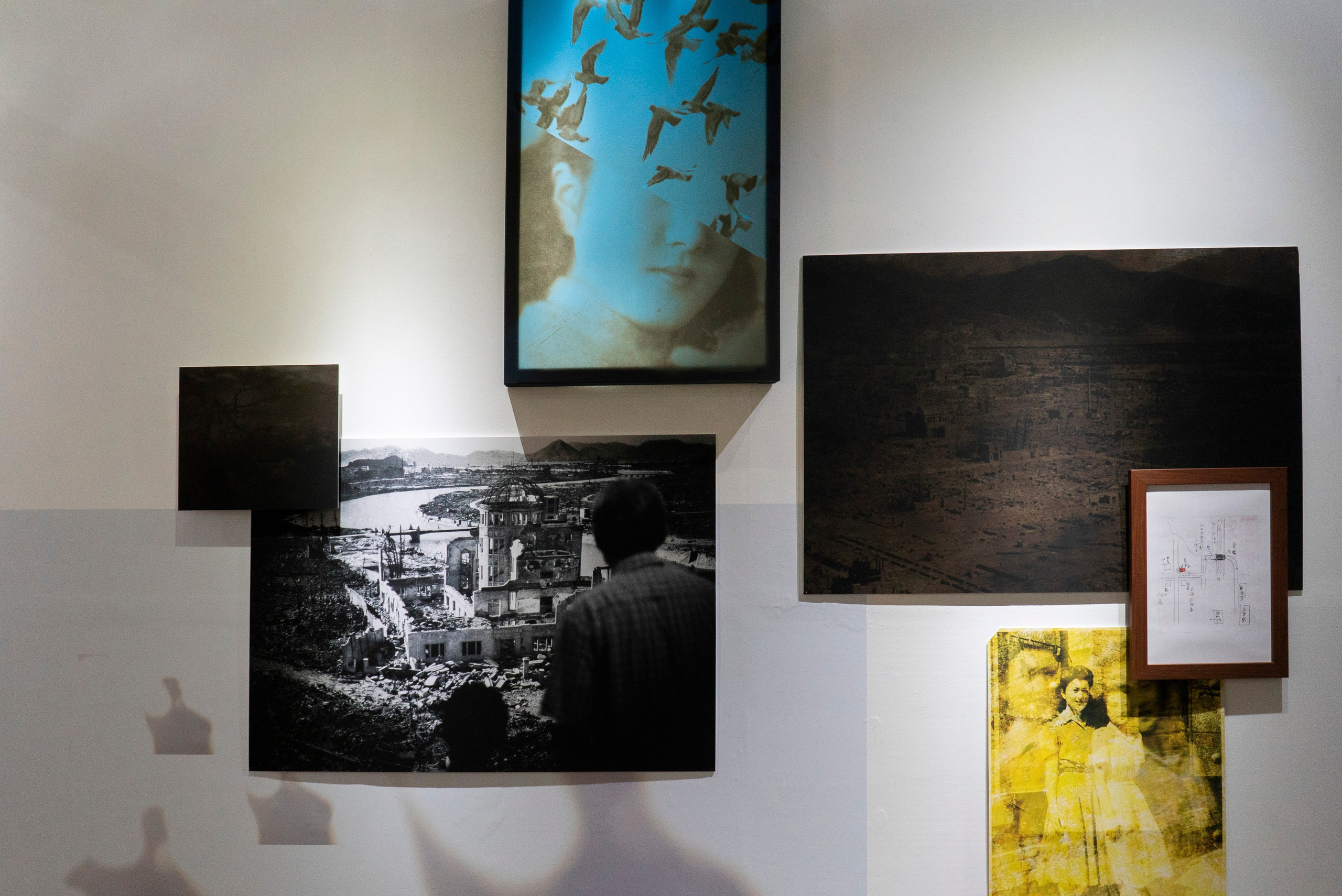
Your photobook, Hiroshima Graph — Everlasting Flow, deals with the immense tragedy of Hiroshima and its aftermath. You mention the survivor’s guilt your grandmother feels — the weight of surviving when hundreds of thousands perished, and the hypothetical chance of saving others. How does this reflect in the book's narrative? And were the hidden elements within the book intended as a metaphor for that generation’s reluctance to speak about such a painful past?
My grandmother was not someone who spoke much about her experience of the atomic bombing, and that silence itself left a strong impression on me. Because of that, this work focuses less on the event of the bombing itself and more on the time that continues afterward, as well as on memories that remain unspoken.
Some elements in the book are intentionally hidden, and this structure is closely related to that silence. Not everything is immediately visible; certain parts only appear when the reader carefully engages with the book. In this way, the structure reflects the hesitation many people of my grandmother’s generation felt about speaking openly about the past.
Memories do not simply disappear. They remain quietly layered within time. Through the form of the book, I wanted to express that quiet accumulation of memory and the presence of what continues to exist even when it is not spoken.
How do you translate your ideas into the photobook format? Which specific projects or books have inspired you lately?
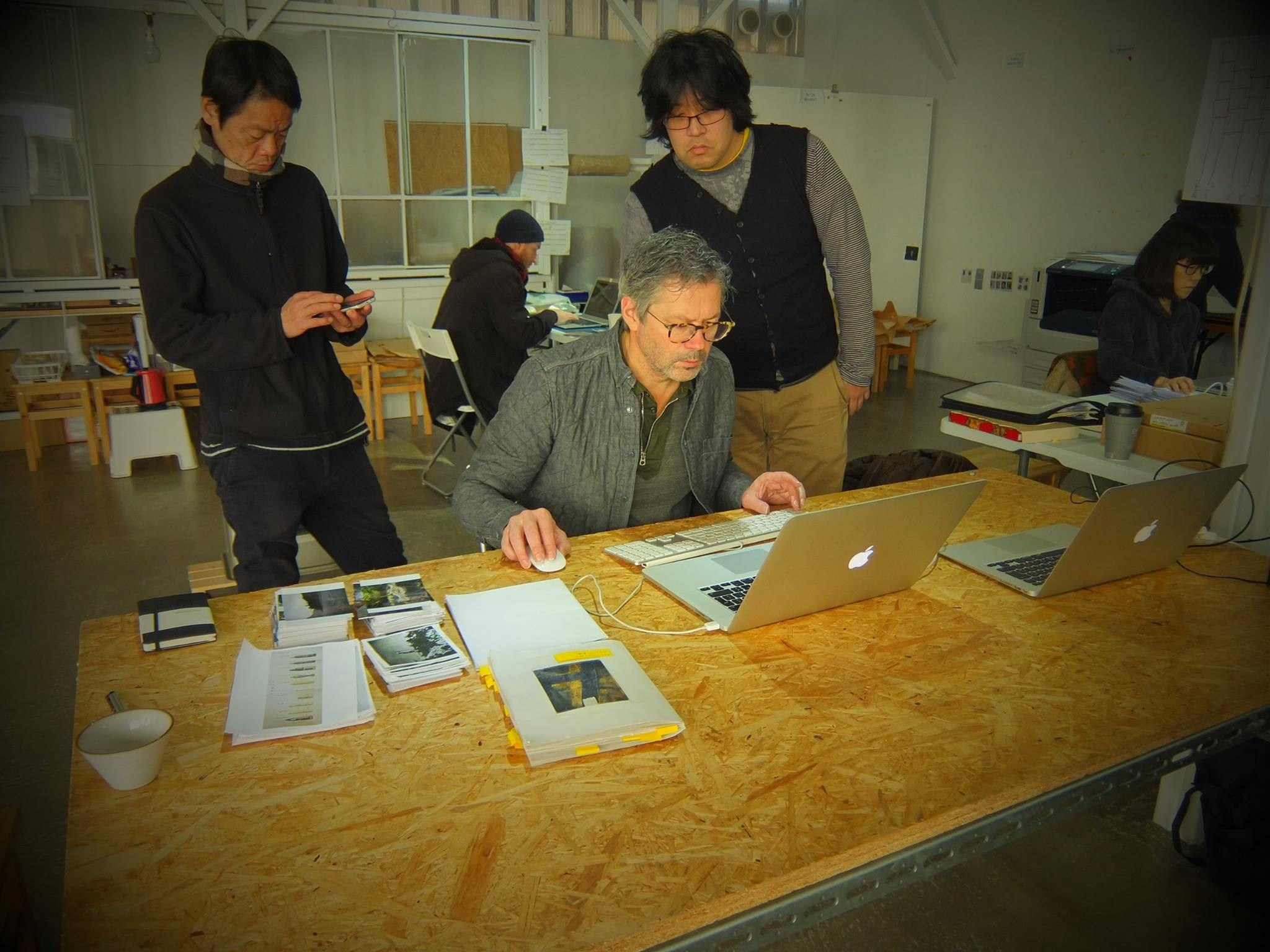
For me, the most important thing is to act on an idea as soon as it appears and try to give it a physical form. I print, bind, and repeat. Through that process, the possibilities of the book gradually begin to reveal themselves.
I also find the Instagram feed of Sybren Kuiper (SYB) very inspiring. You can see many photobooks that incorporate a wide range of structural ideas, and it is fascinating to observe how different concepts are realized through the form of a book.
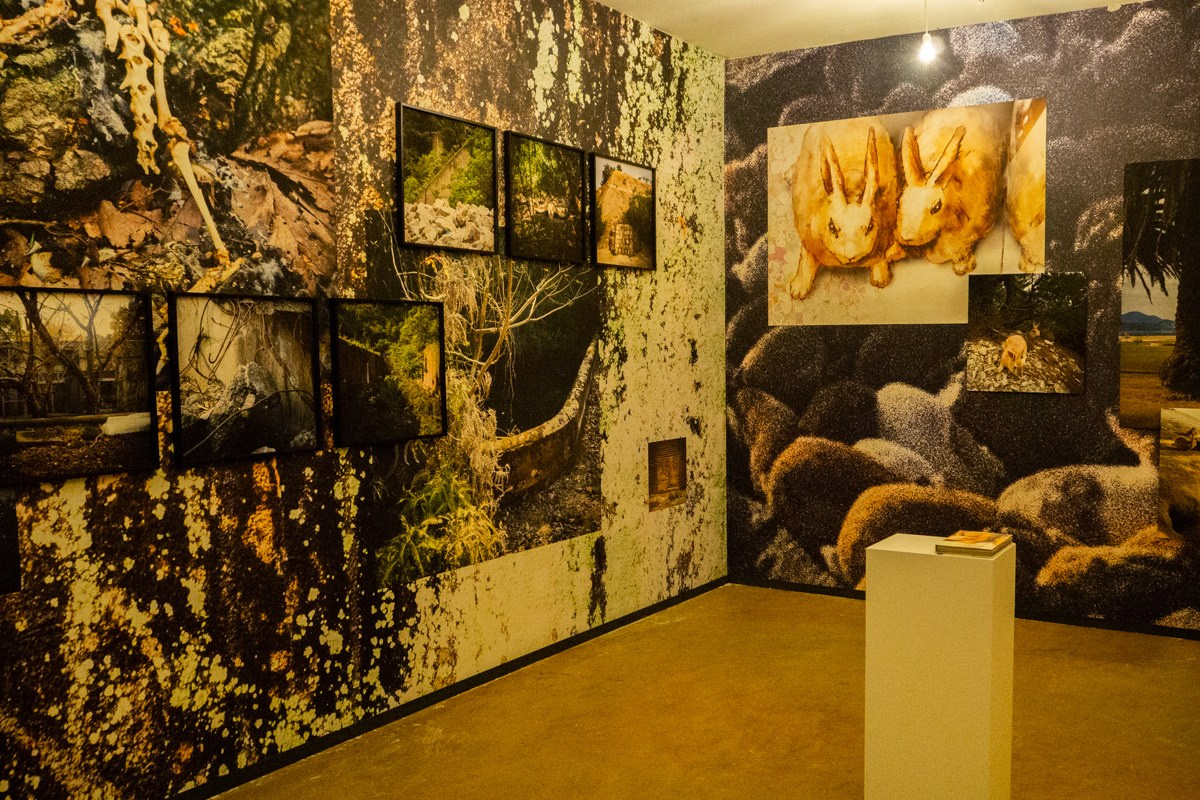
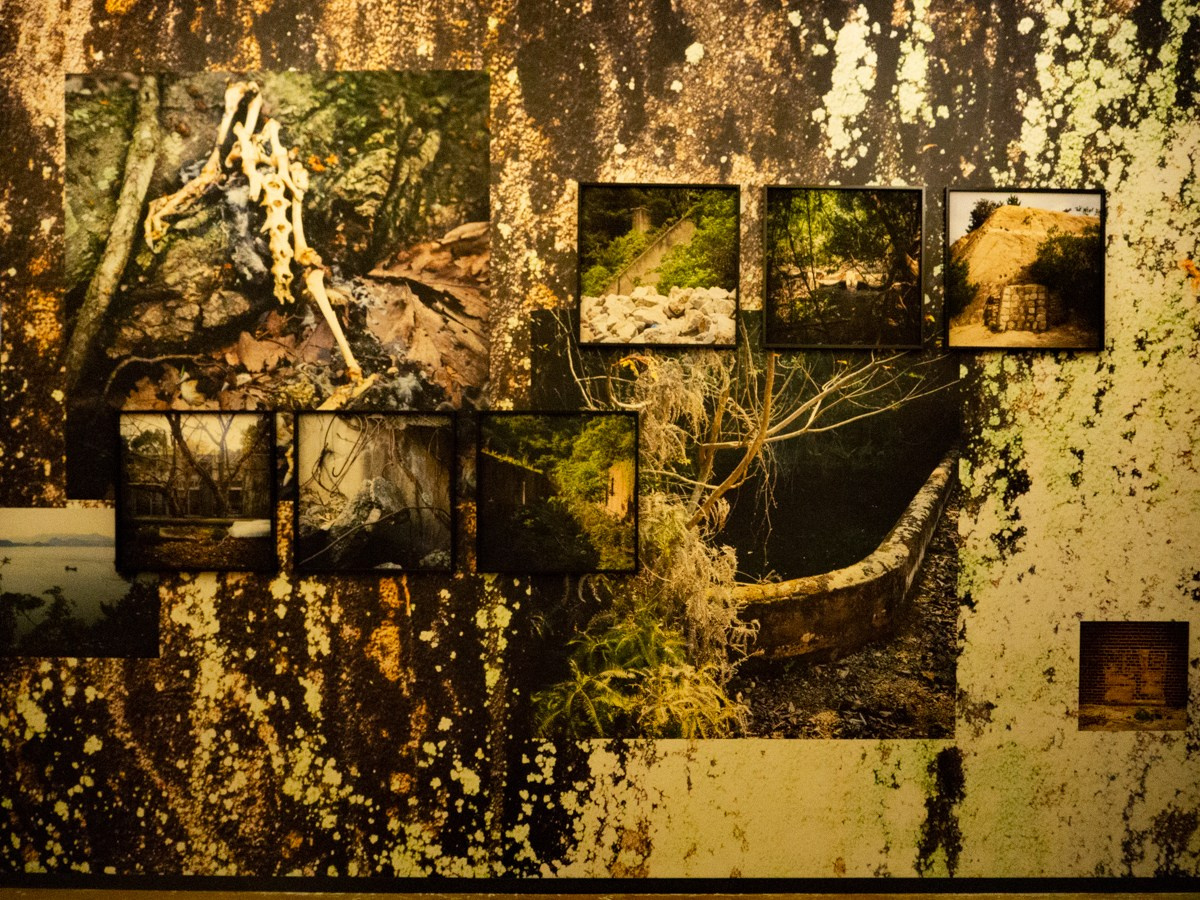
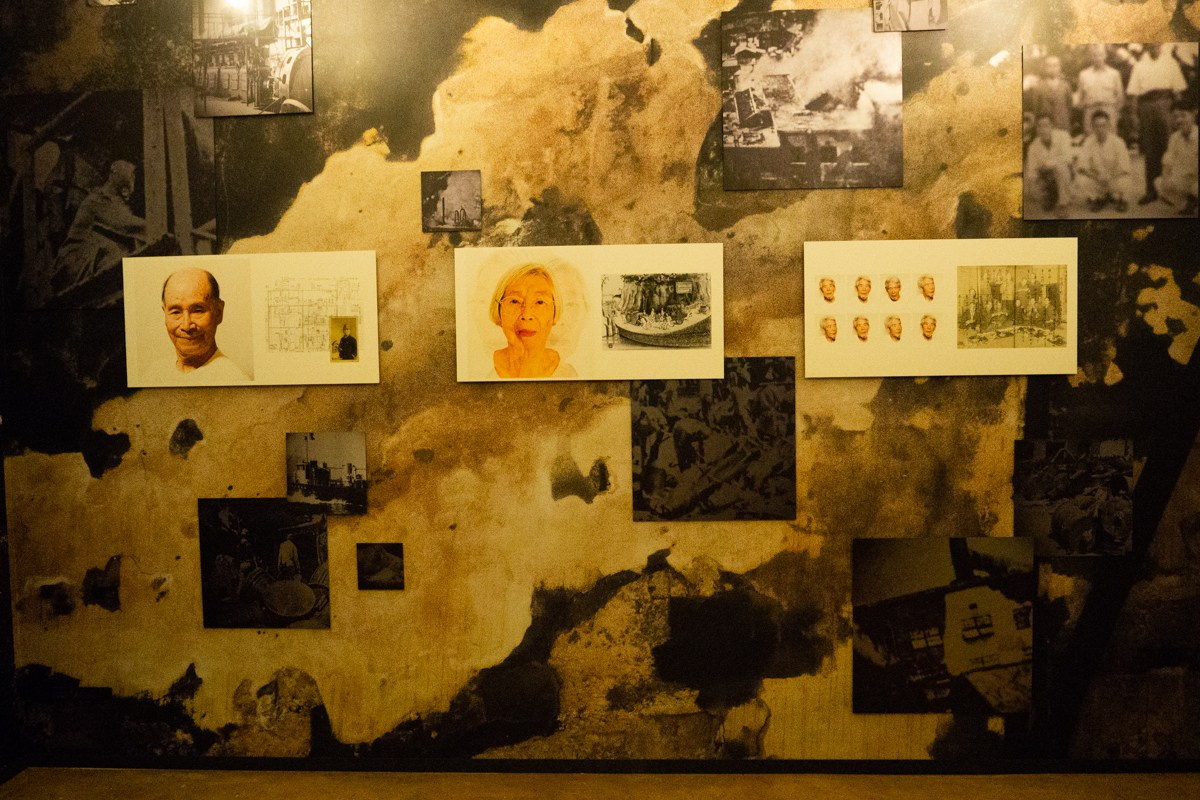
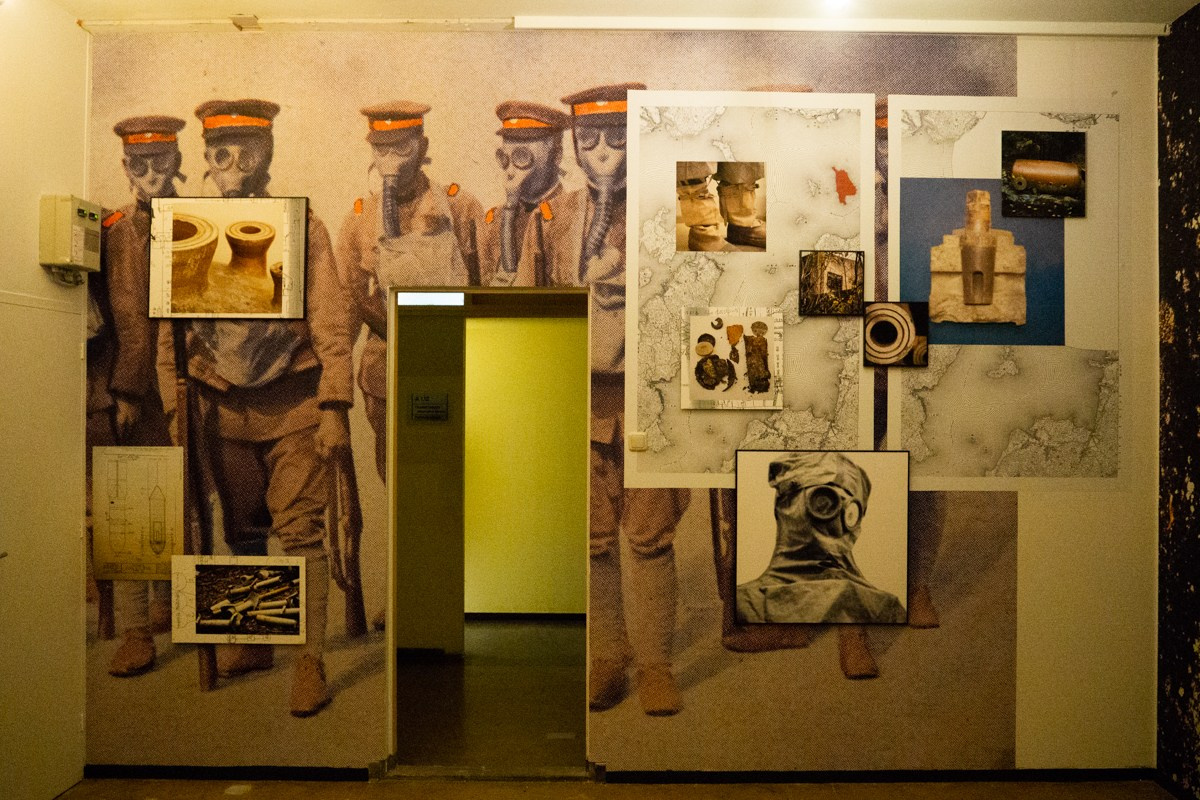
What draws you back to the theme of the Hiroshima tragedy throughout your work? In what ways does this experience shape your artistic practice?
For many people, Hiroshima is immediately associated with the atomic bombing. However, the more deeply I engaged with the history of Hiroshima, the more I realized that the city also holds the history of Japan as a perpetrator of war, not only as a victim.
Confronting Hiroshima made me increasingly aware that history cannot be understood from a single perspective. Instead, it requires repeatedly looking at the same subject from multiple angles.
In that sense, engaging with Hiroshima has had a strong influence on the way I think about history, memory, and representation in my work. It reminded me that history is never singular, but always layered and complex.
In what ways does the context of modern-day Japan shape your work?
I think the environment of contemporary Japan always influences the background of my work. Japanese society is relatively stable, and large events do not often appear on the surface of everyday life. Because of that, my interest tends to turn toward family memories, personal histories, or places where traces of the past quietly remain.
In Japan, emotions and experiences are not always expressed directly. Often, silence or indirect expression can contain many meanings. I believe this cultural sensibility has also influenced the way I construct narratives through photographs and photobooks.
Rather than explaining everything clearly, I tend to leave fragments and spaces that allow the reader to imagine what is not shown. Perhaps this approach is something I naturally developed within the environment of Japan.
In that sense, silence and absence can sometimes speak more powerfully than explicit explanation.
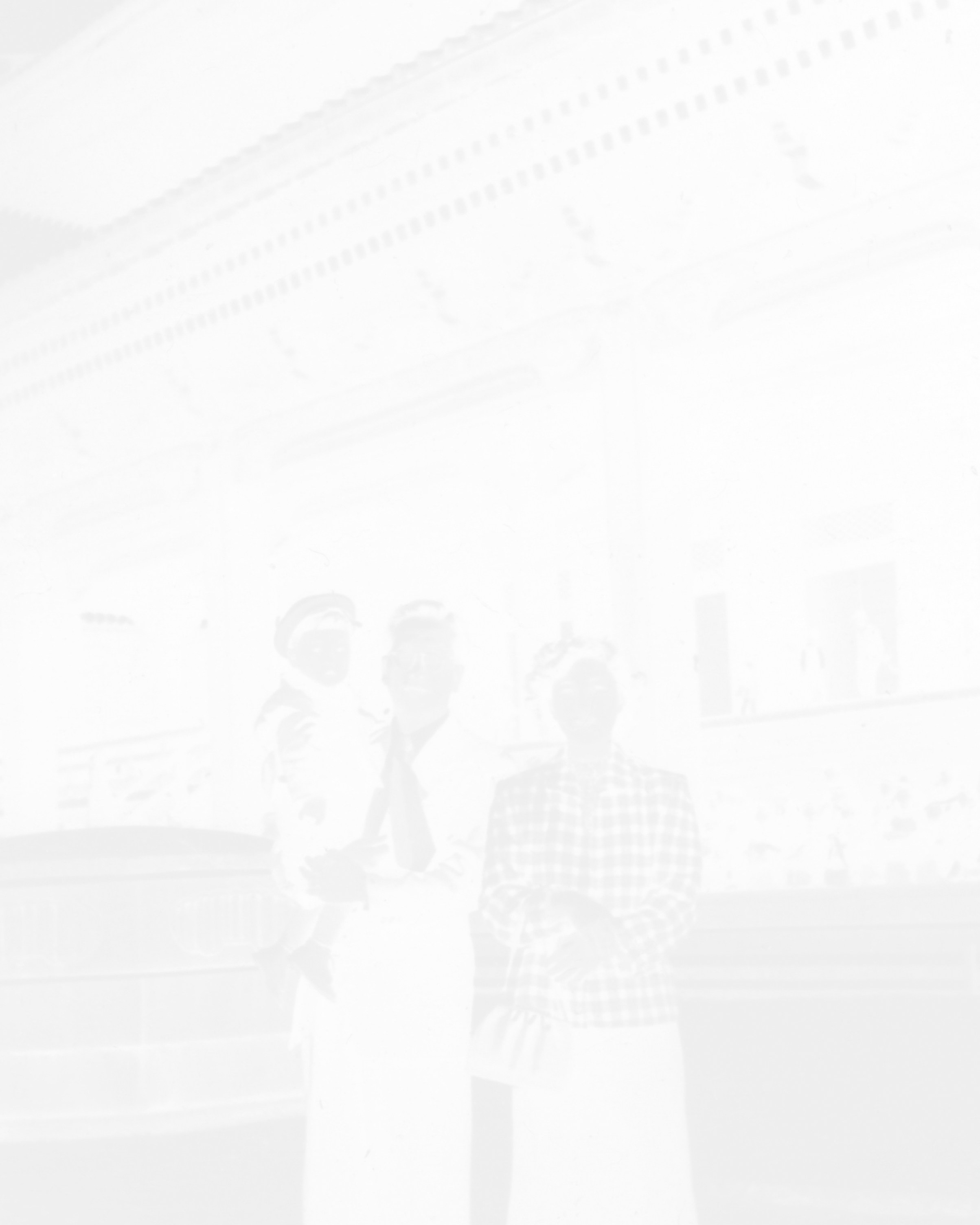
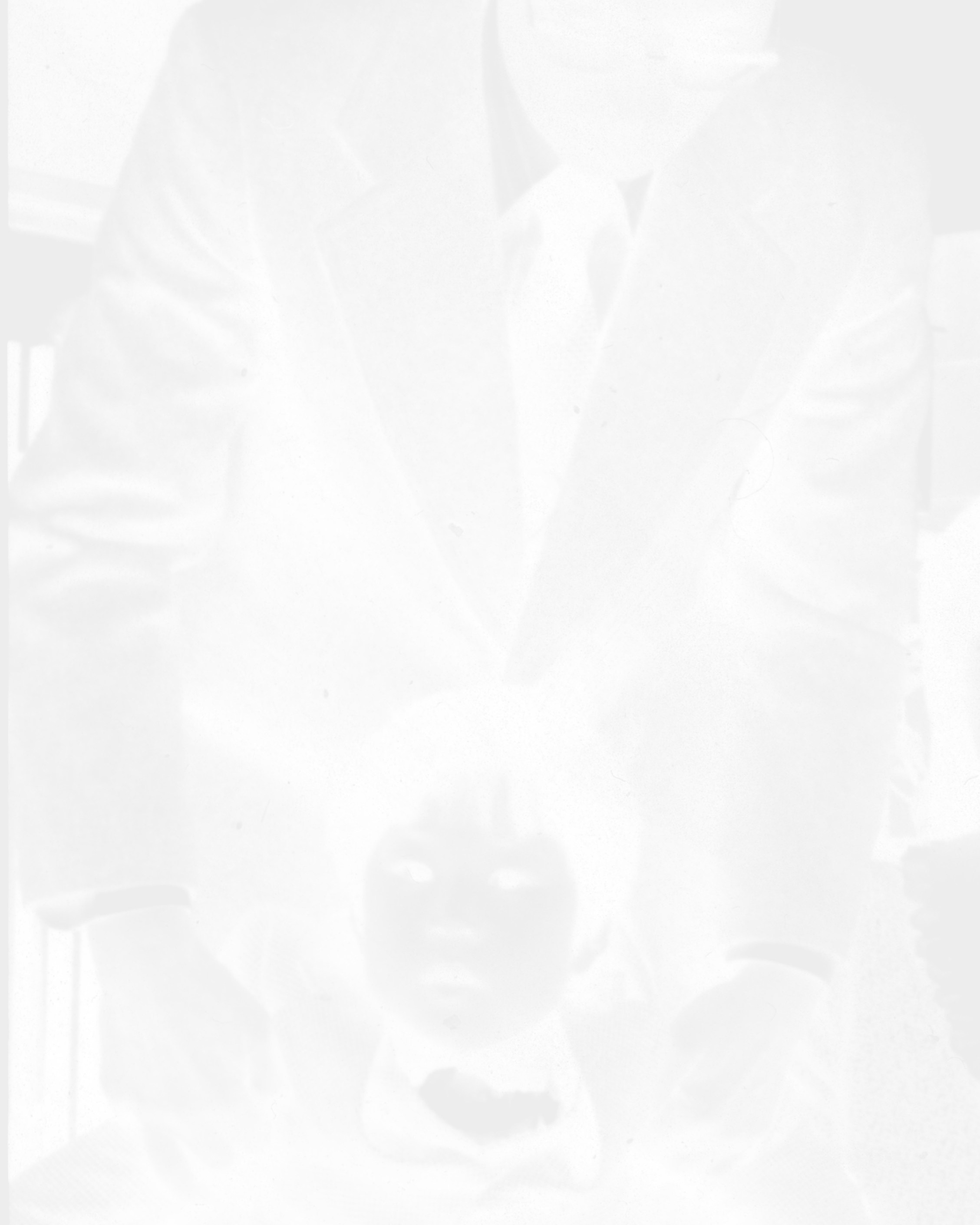
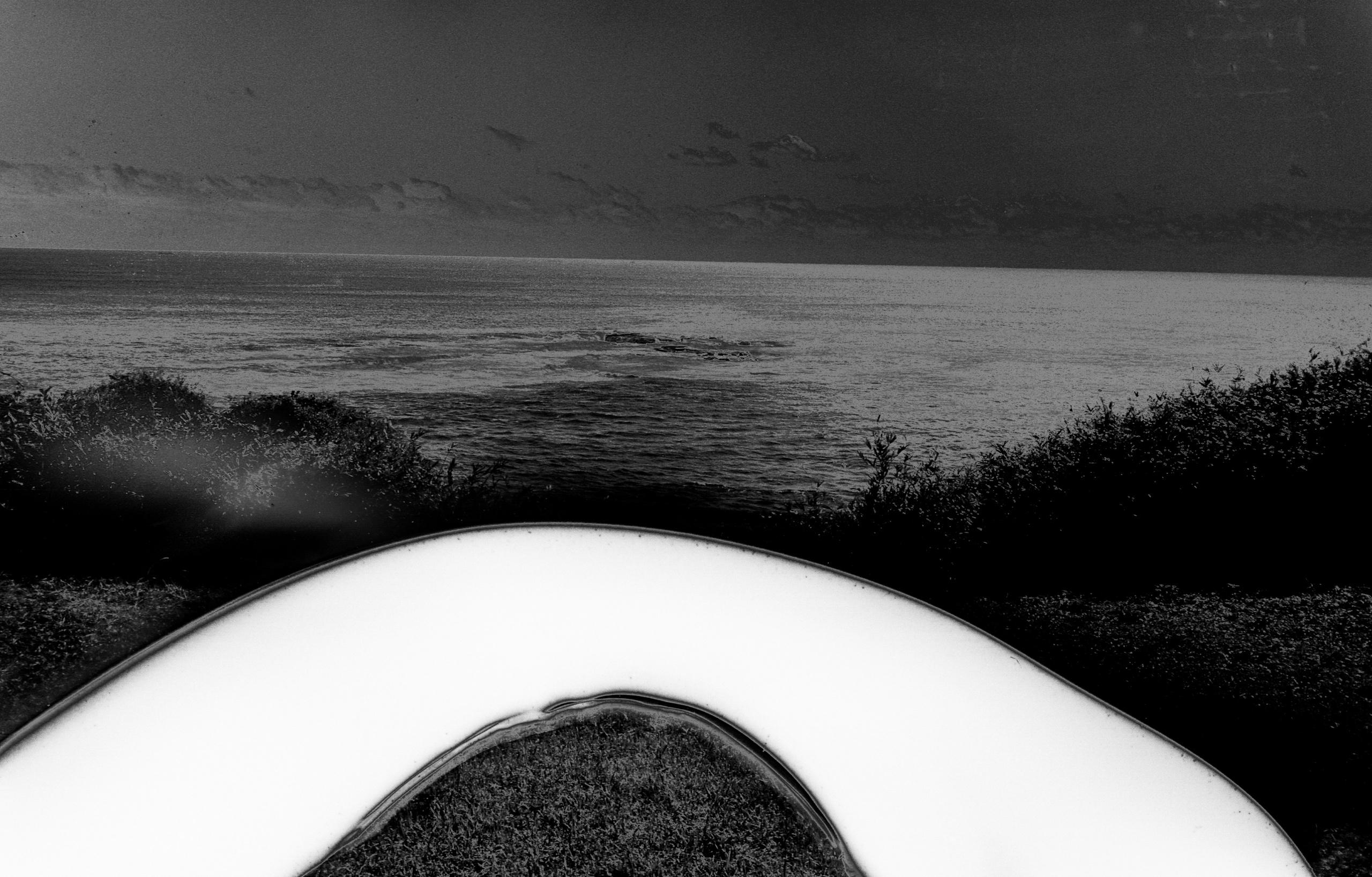
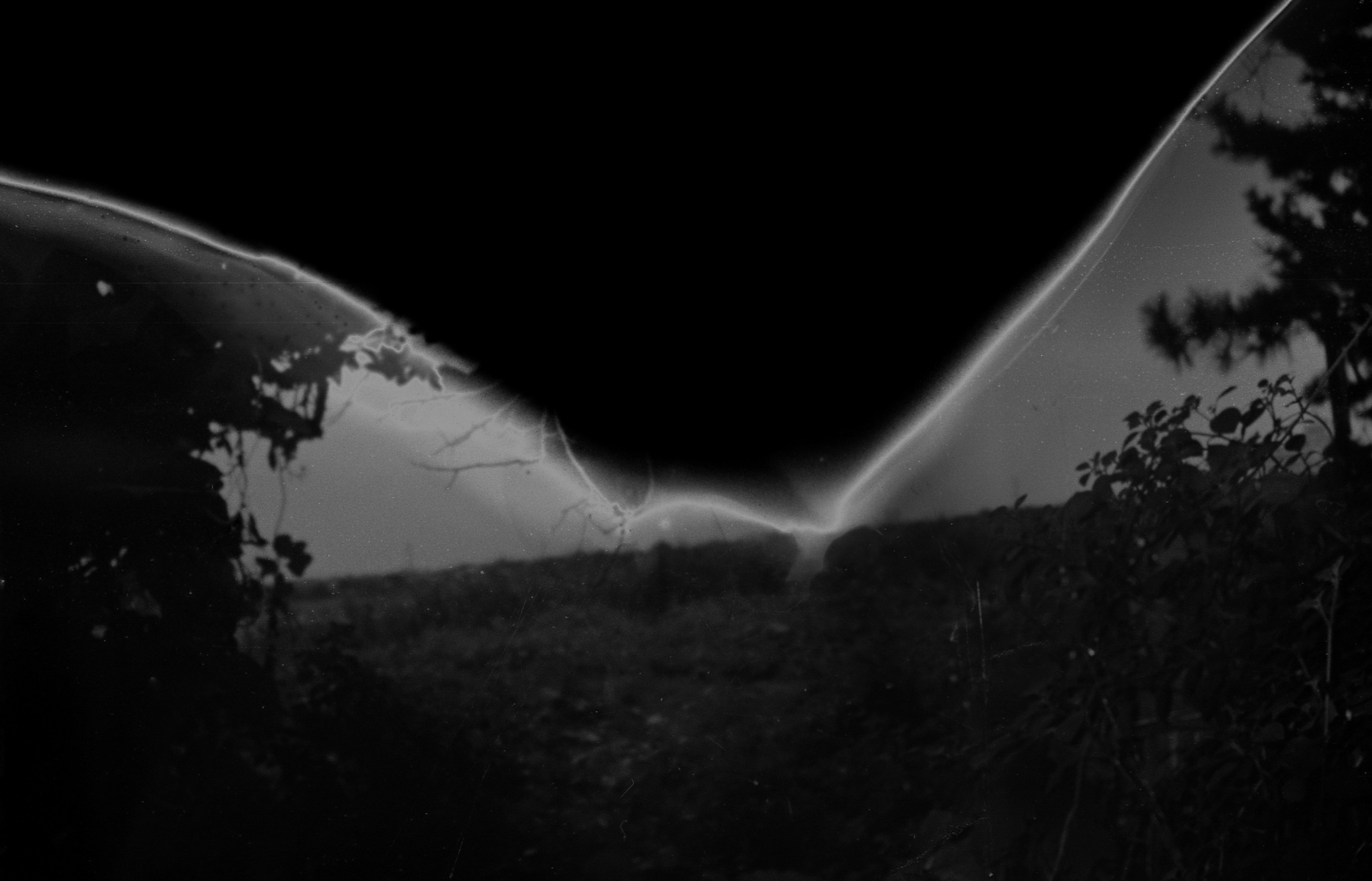
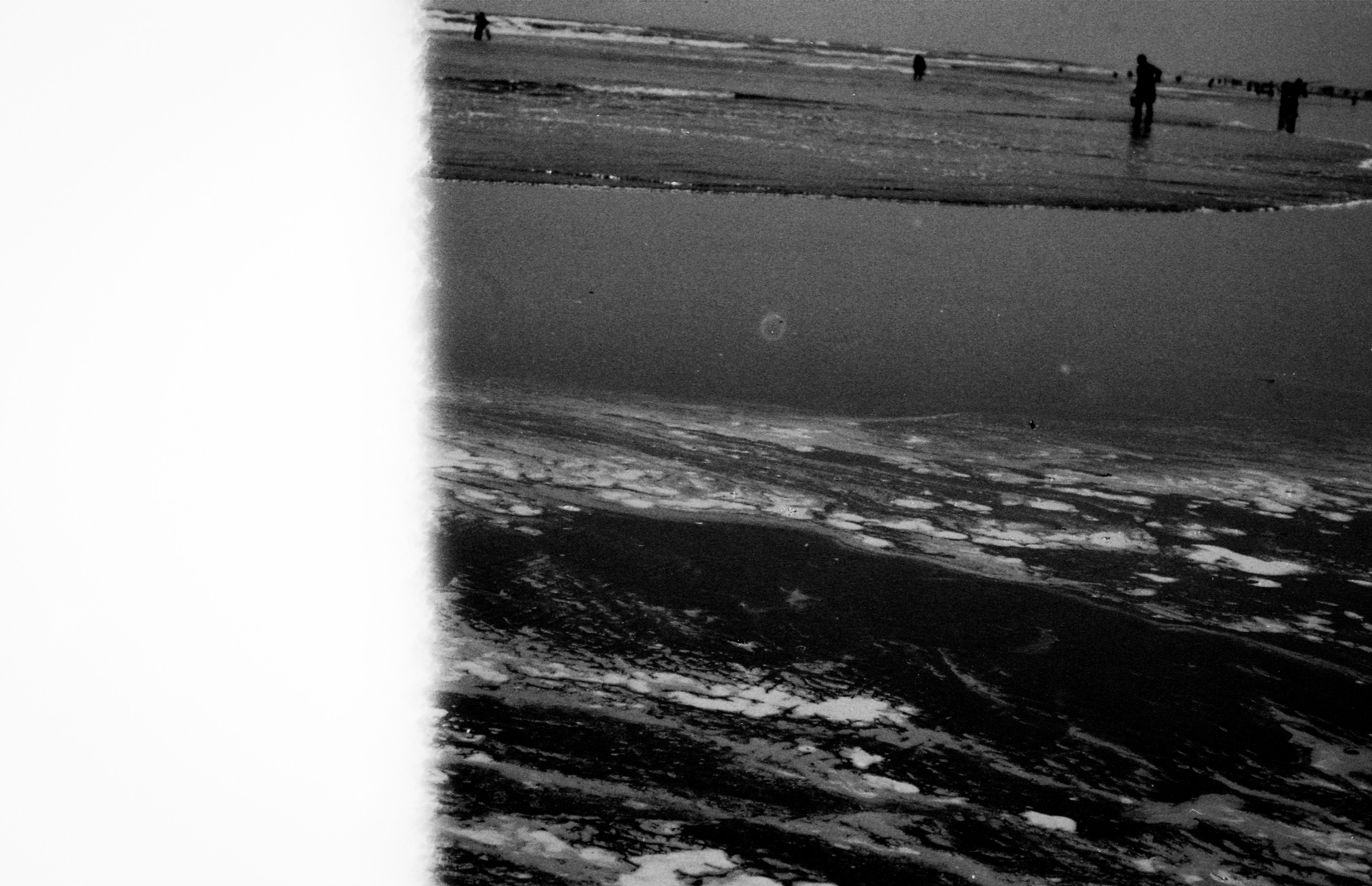
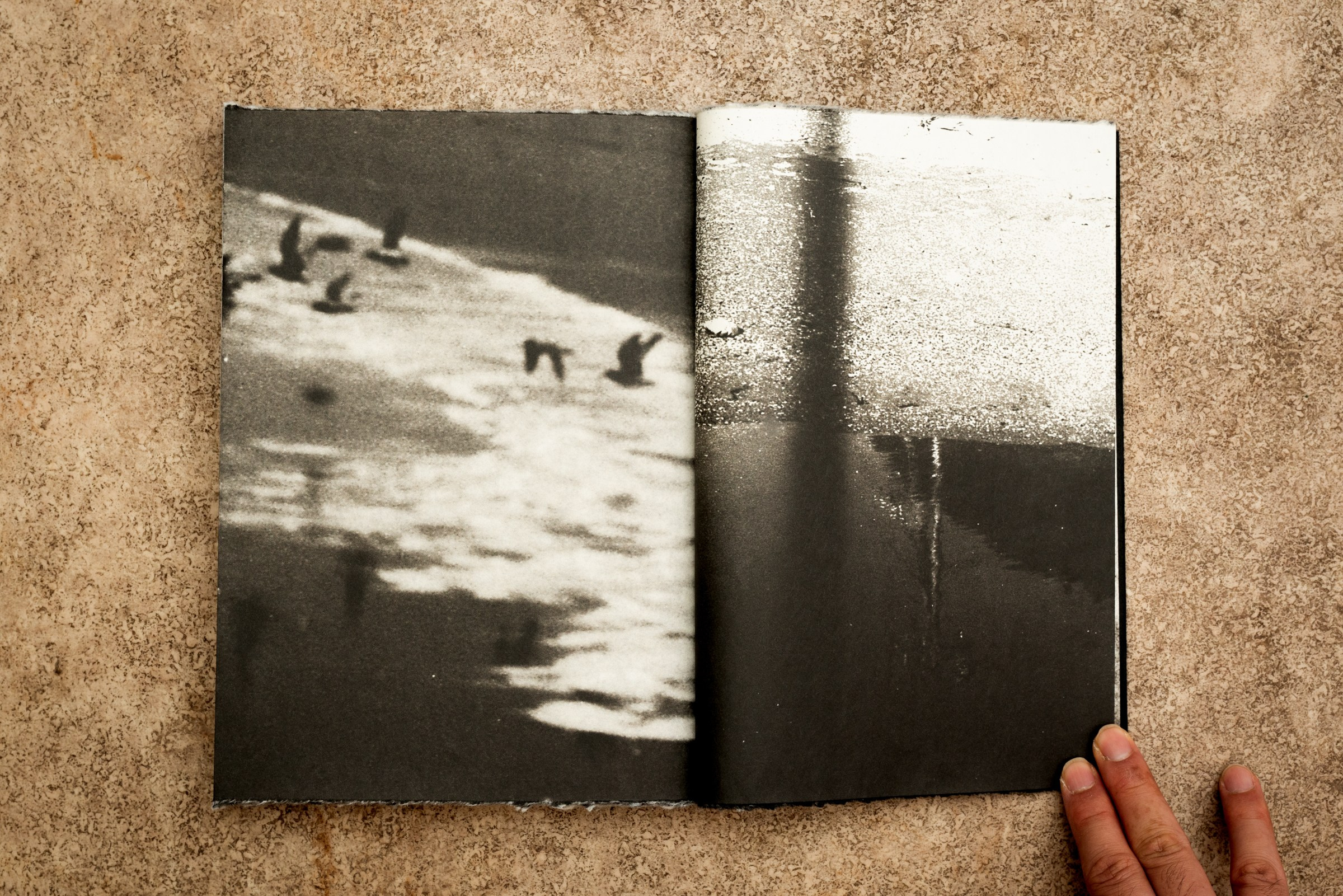
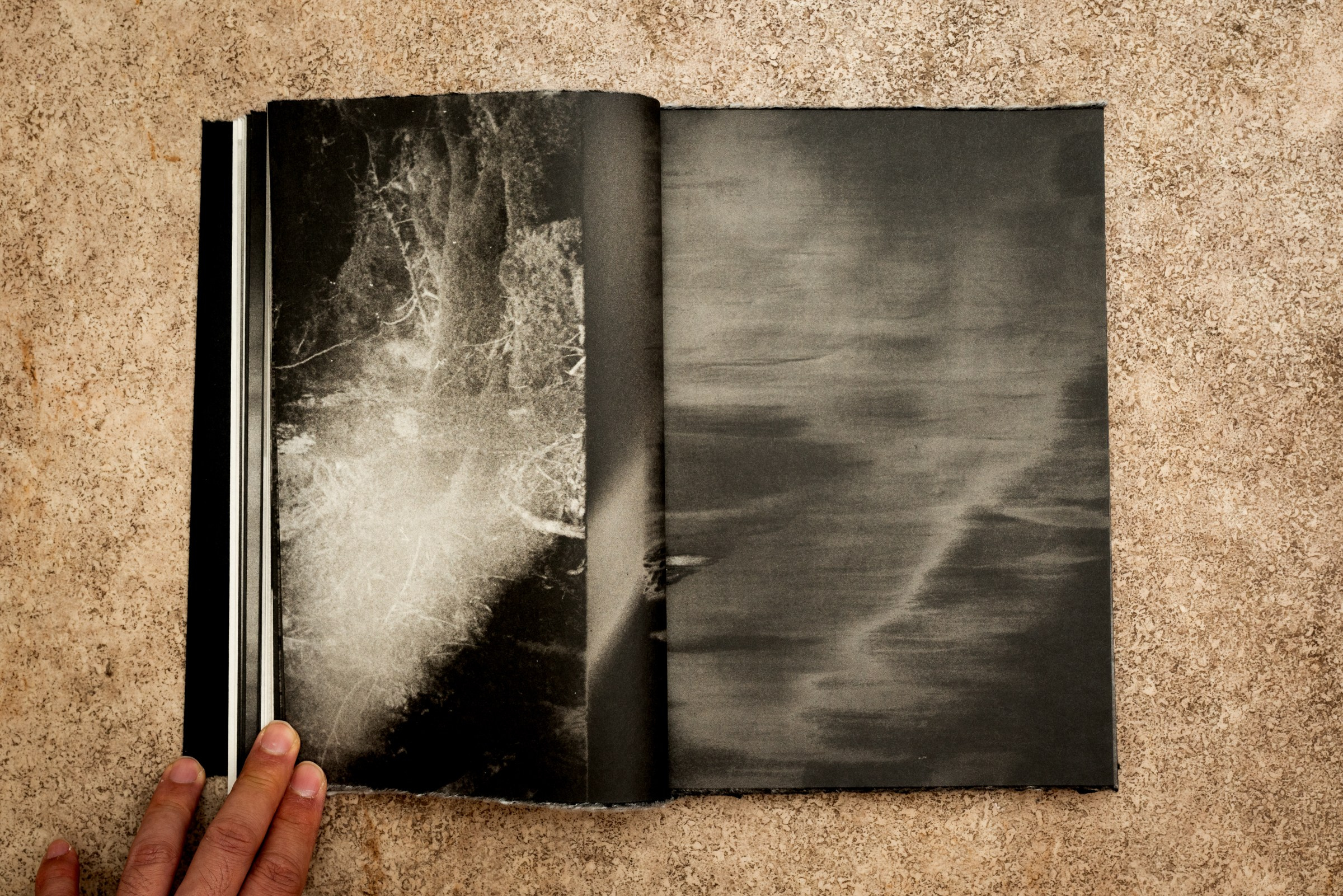
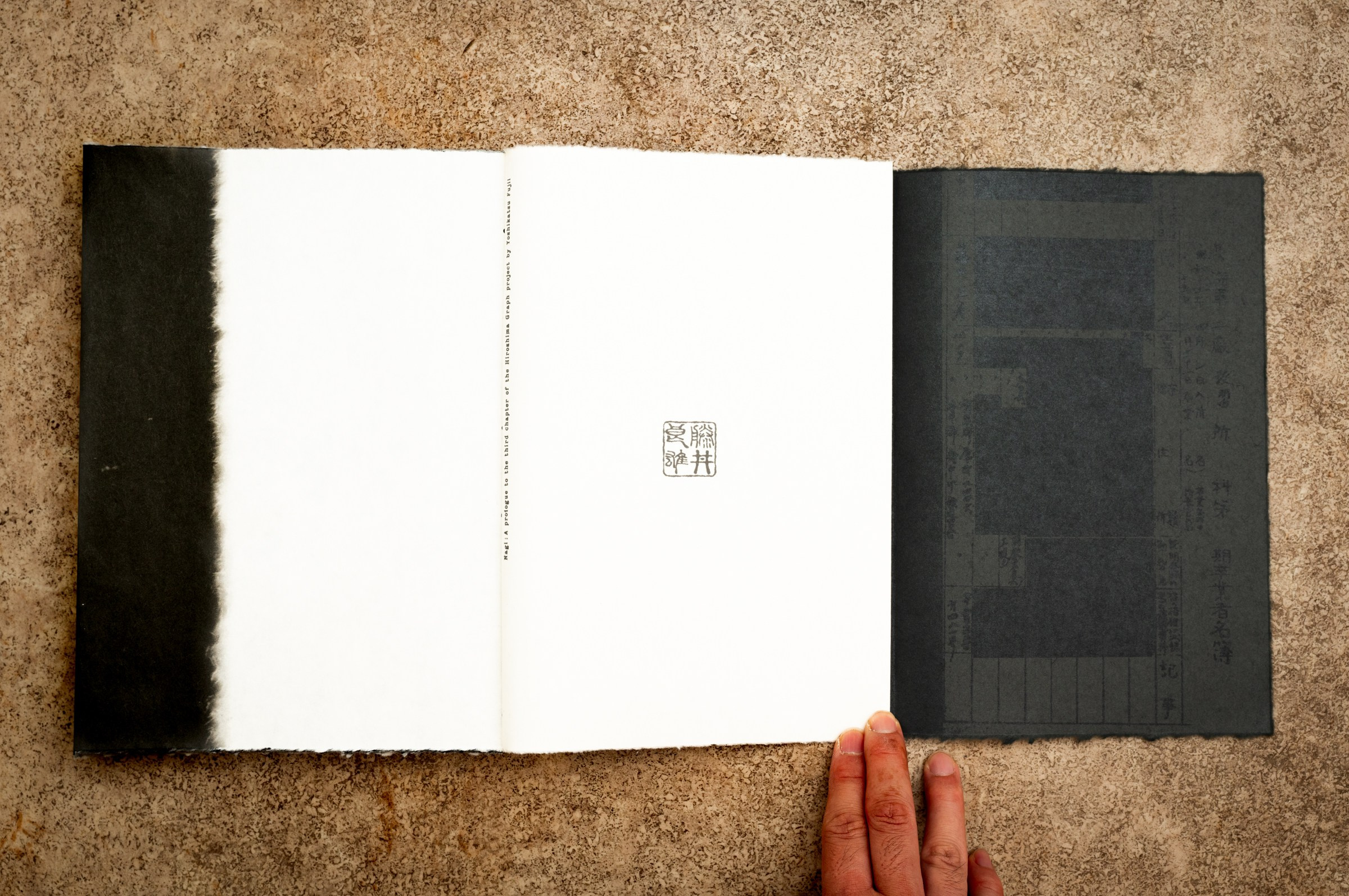
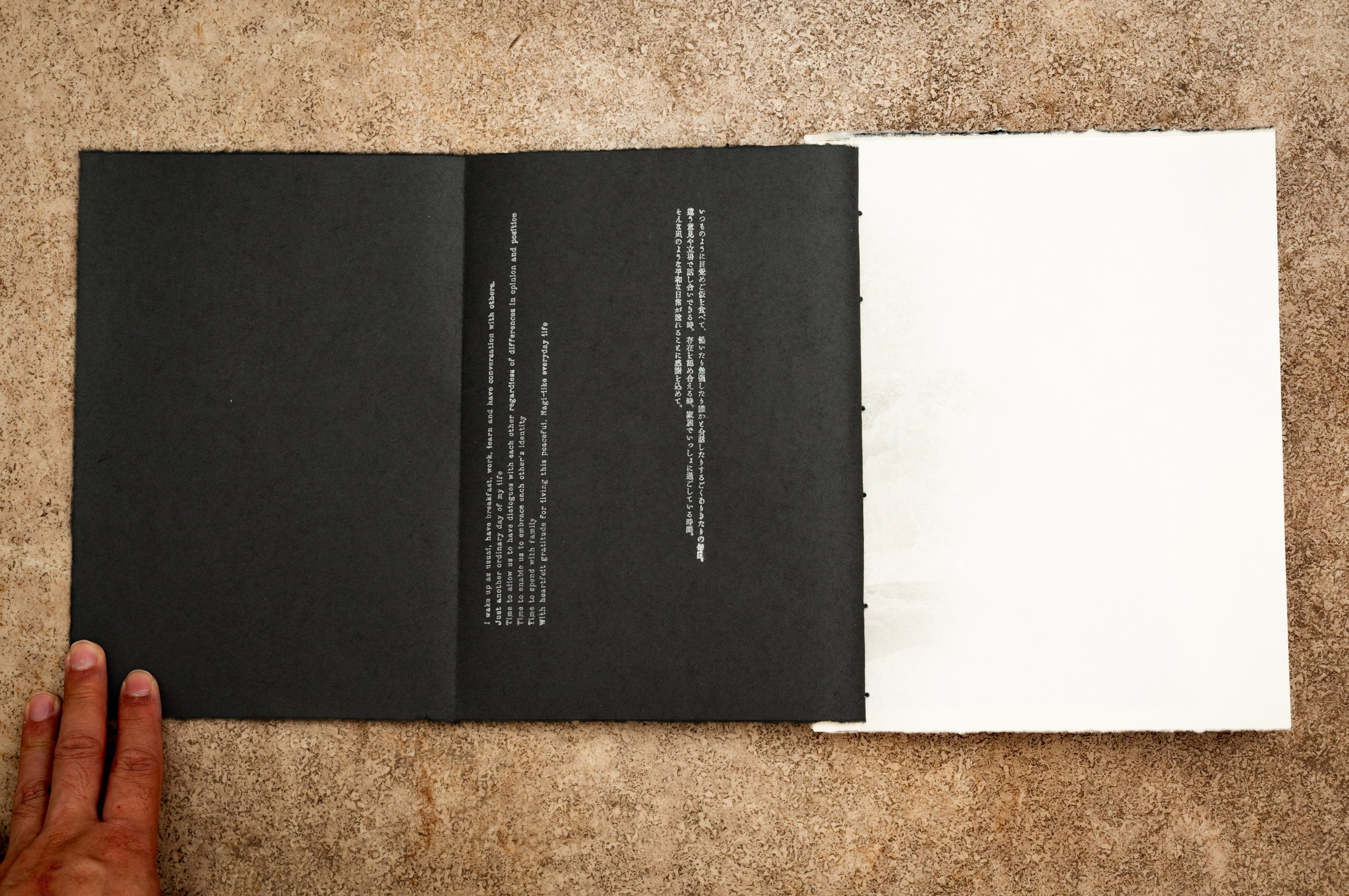
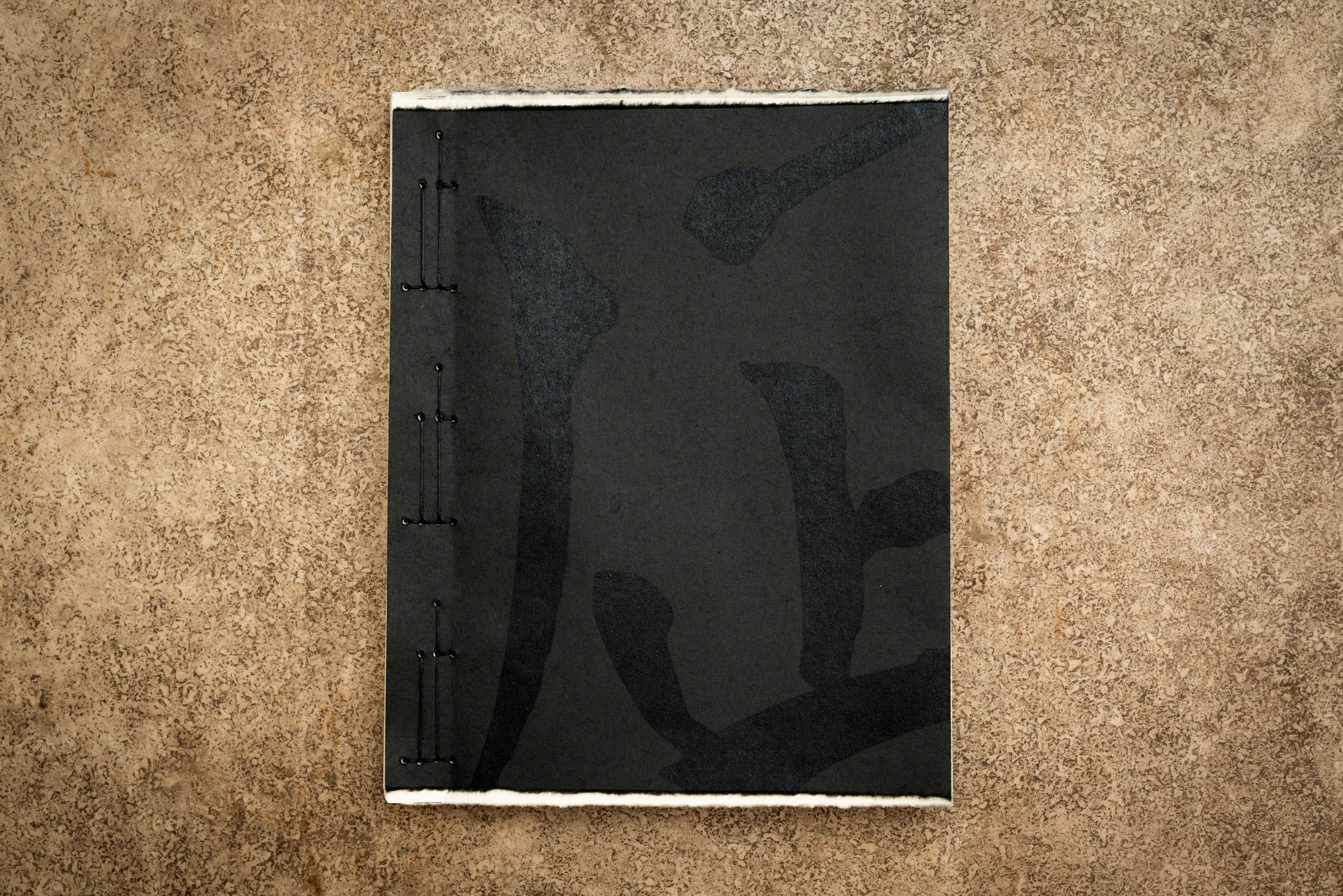
In Nagi, you revisit the technique of hidden spreads. What was the reasoning behind this design in the context of a project where the photographs were taken intuitively?
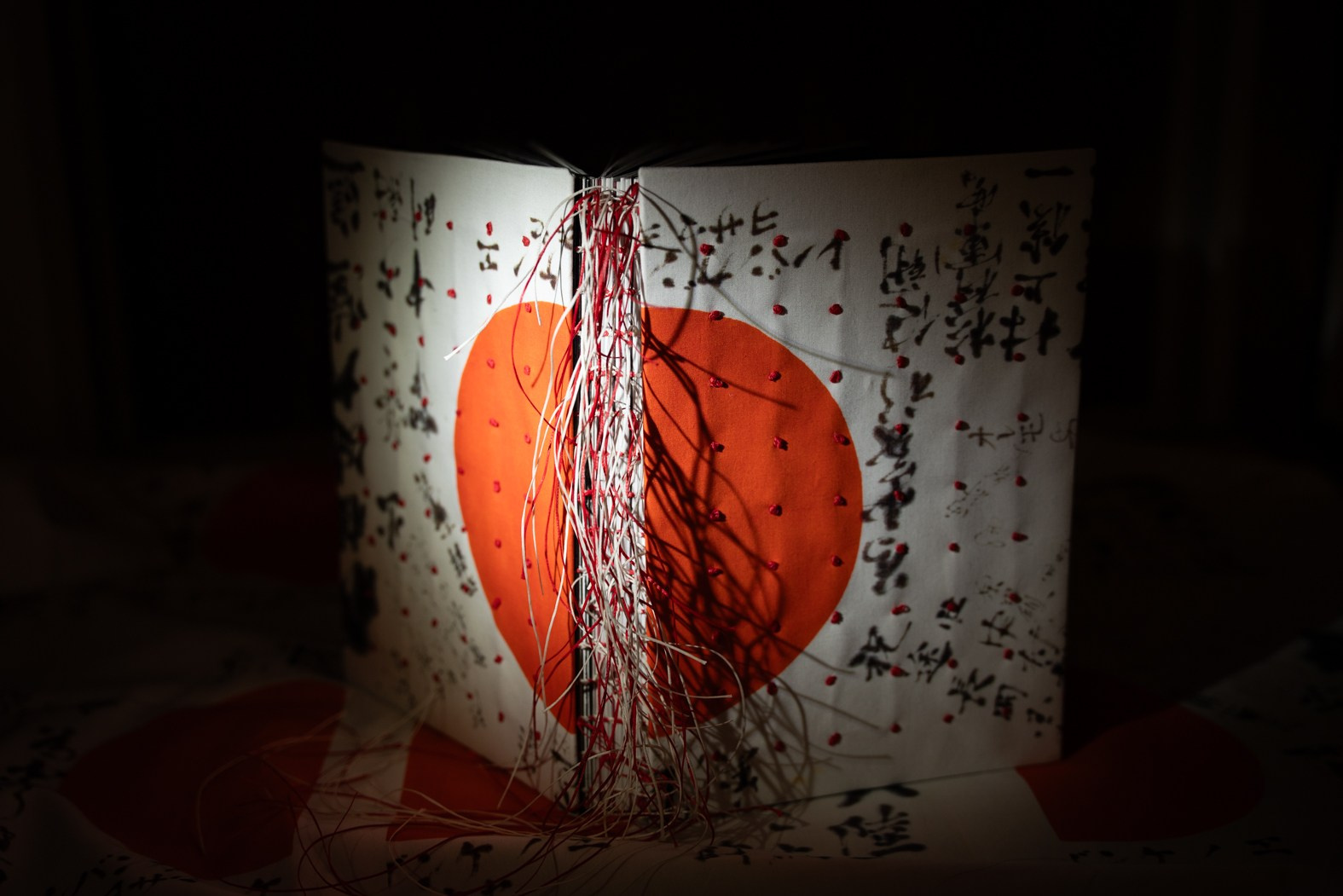
The photographs in Nagi were not taken according to a predetermined story. Instead, they emerged from an accumulation of images that I photographed intuitively in everyday life. However, while shaping the project into a book, I became increasingly aware of my grandfather and the war experiences he never spoke about.
My grandfather had experienced the war, but he rarely talked about it in detail. That silence has remained something I have never fully been able to understand.
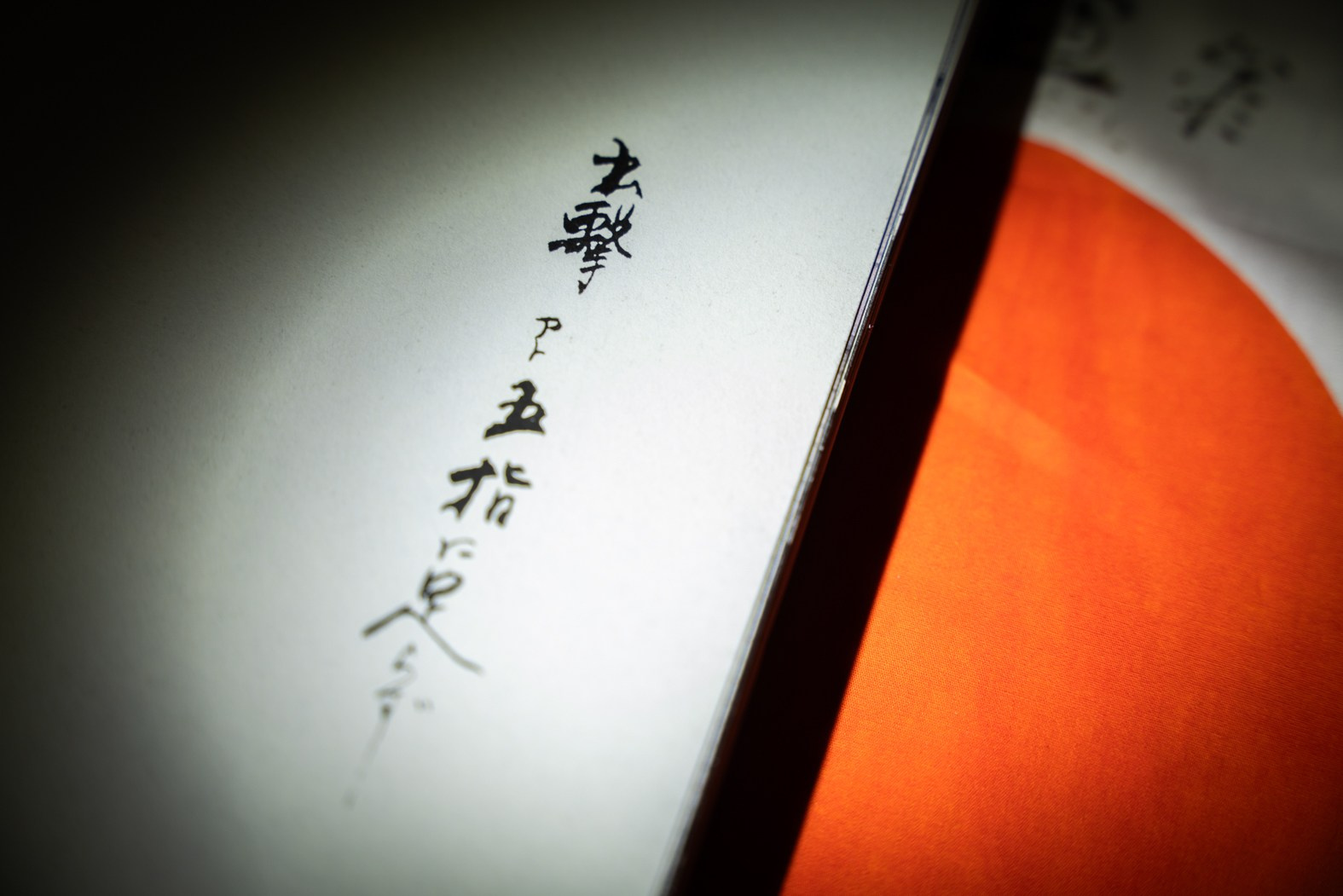
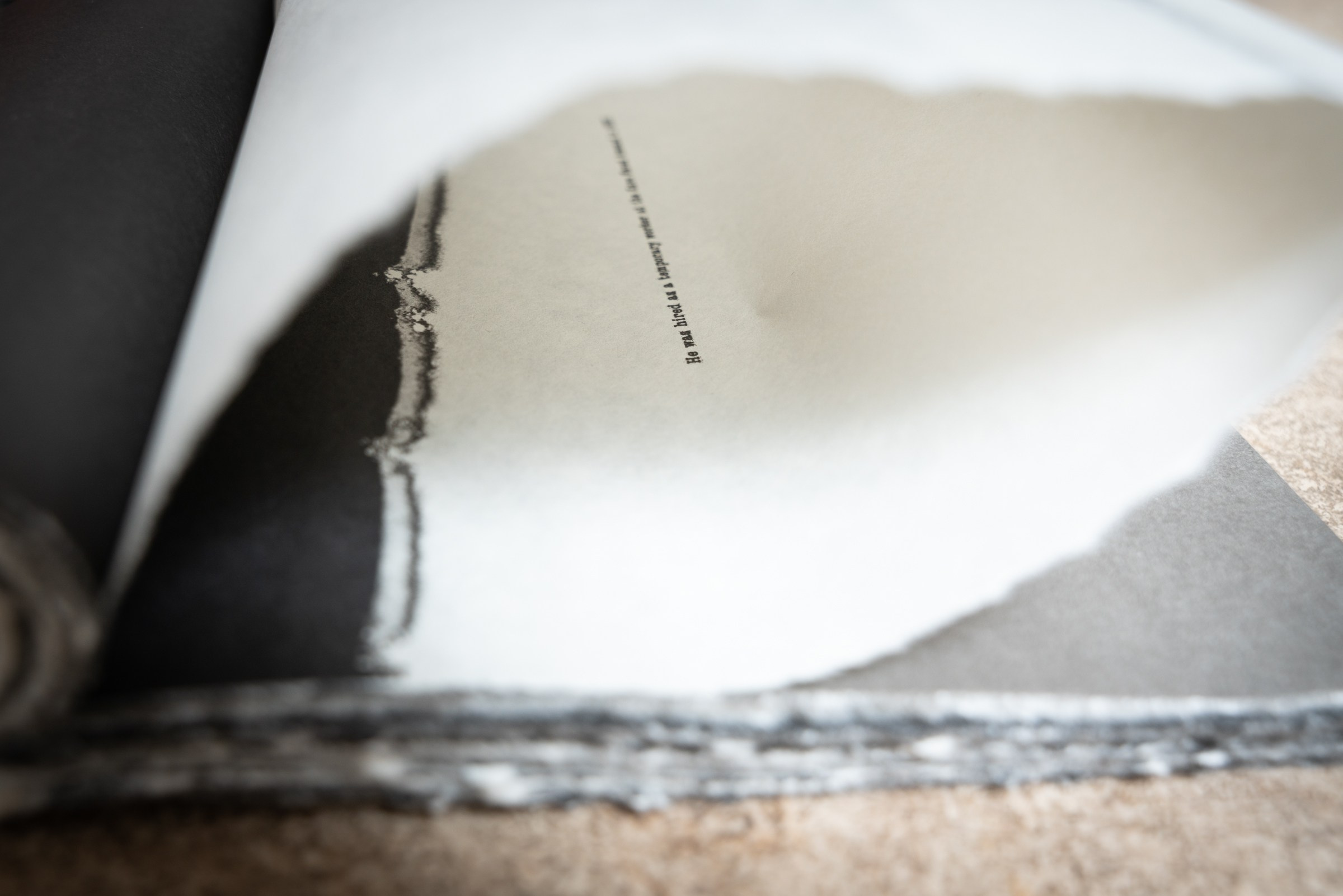
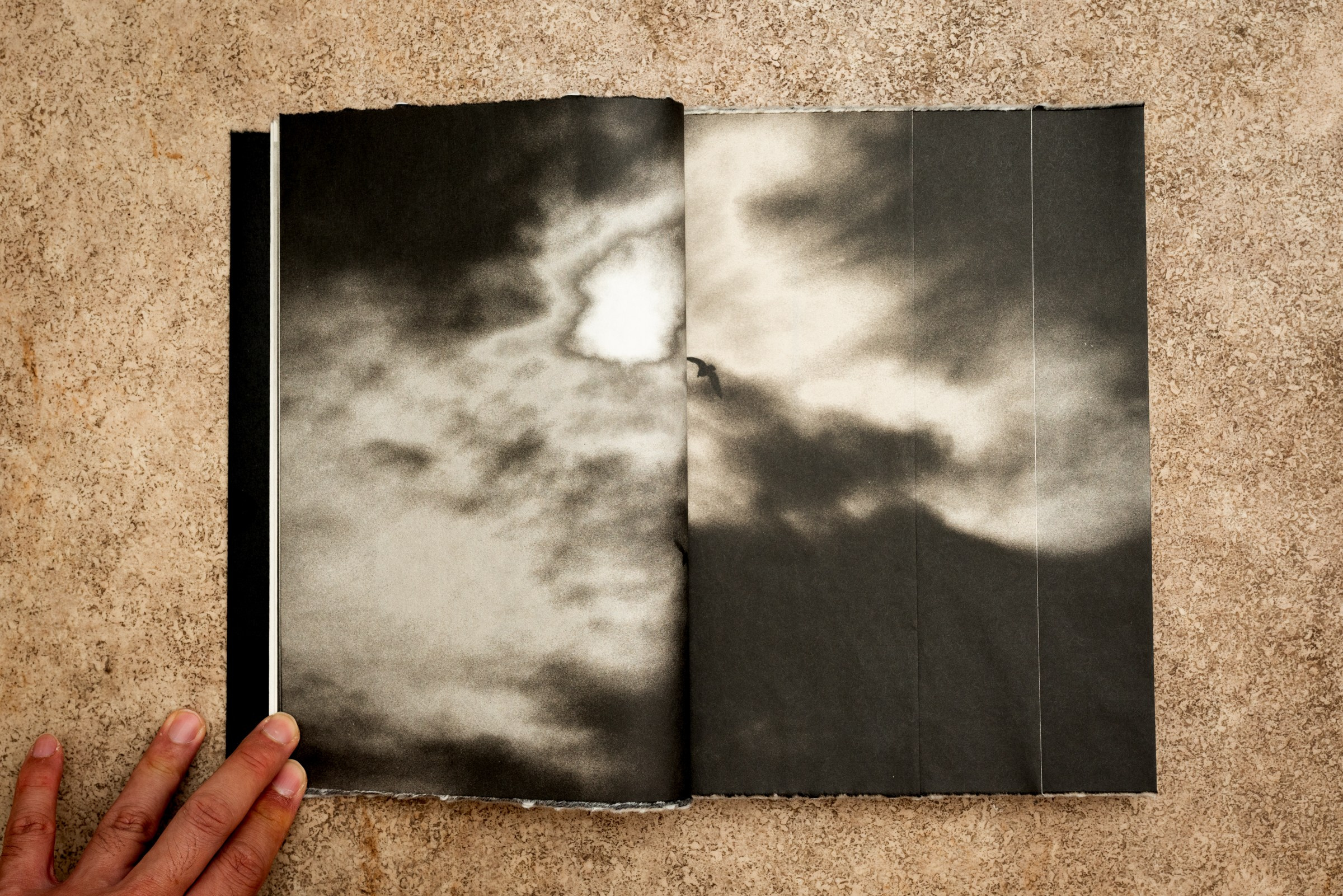
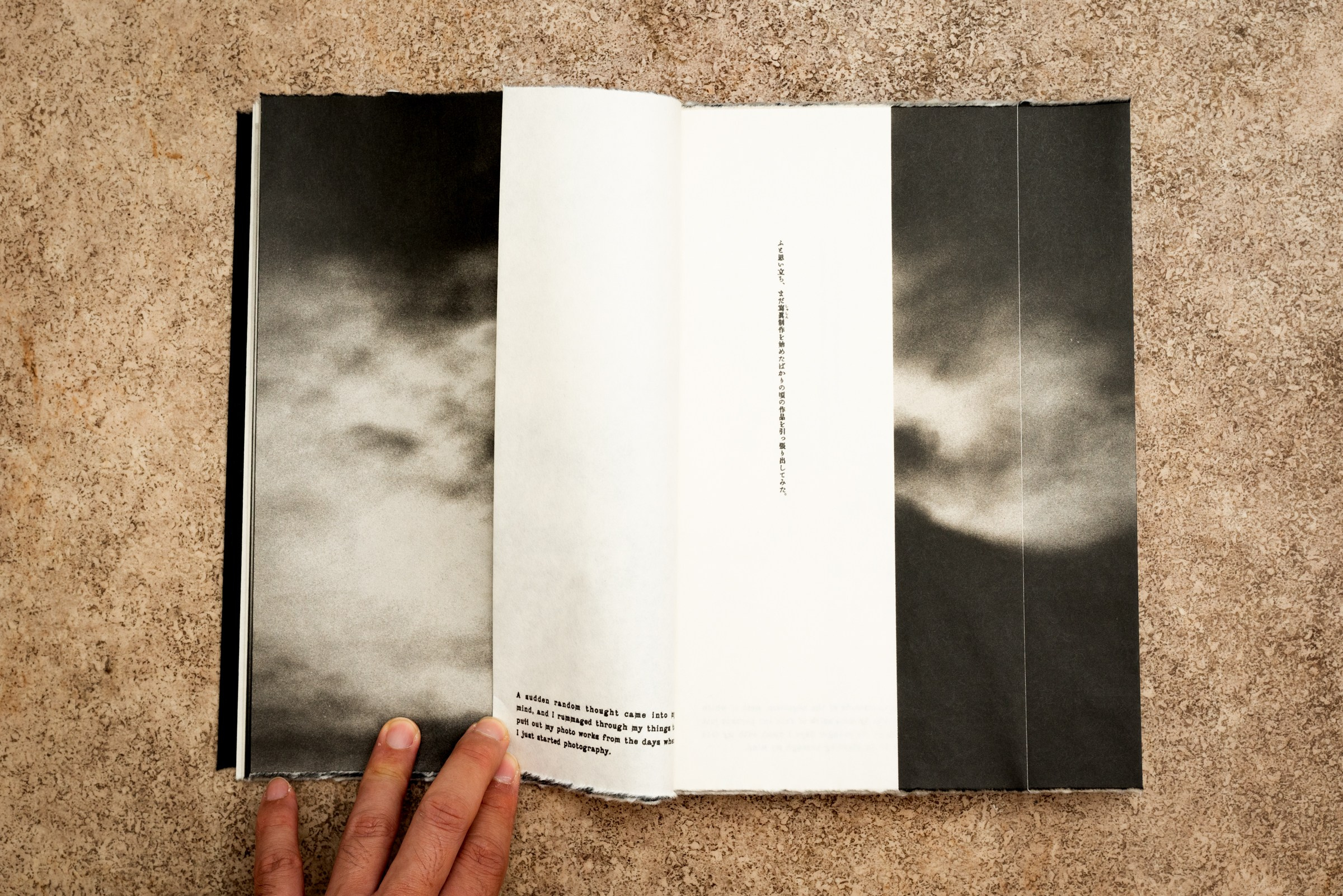
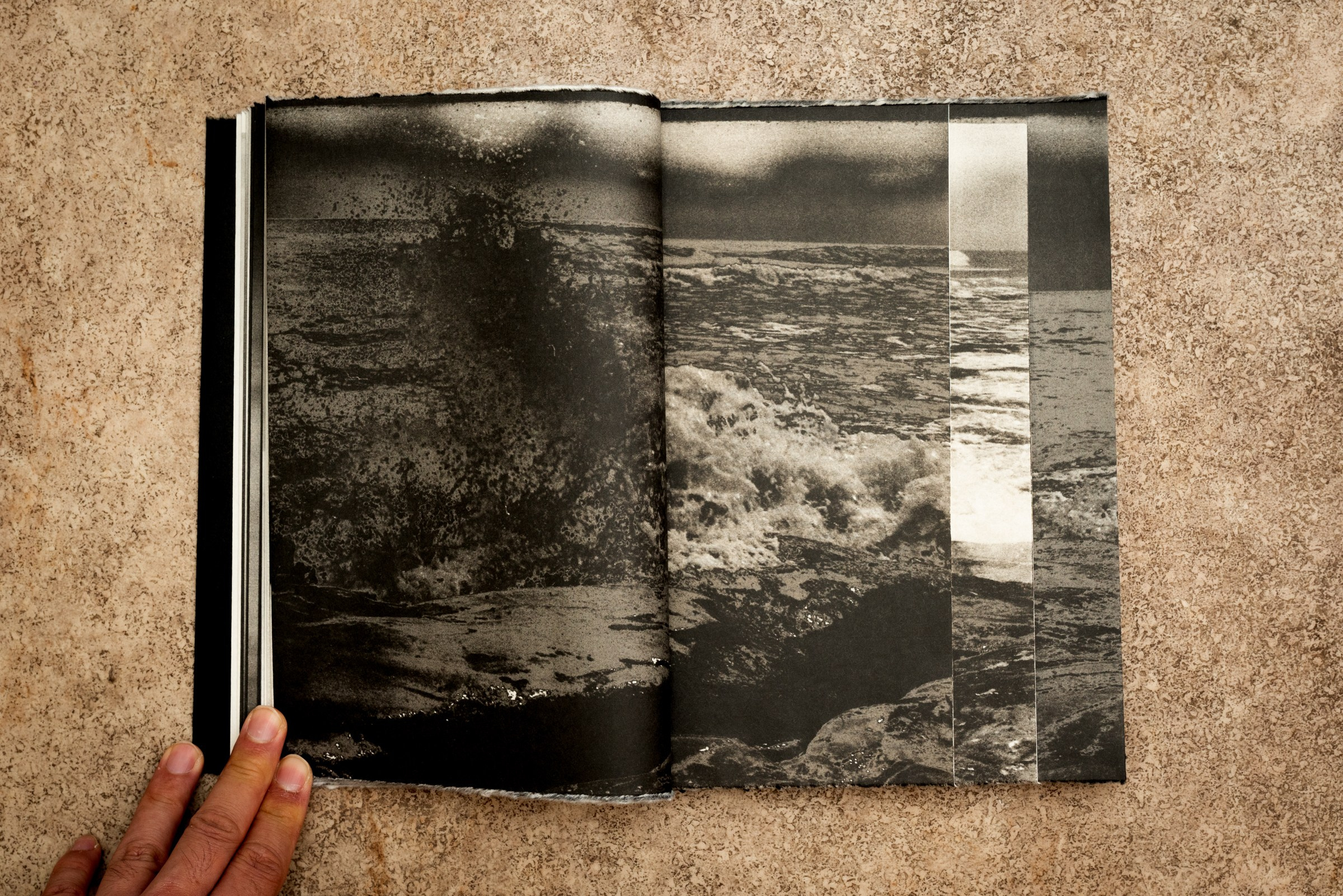
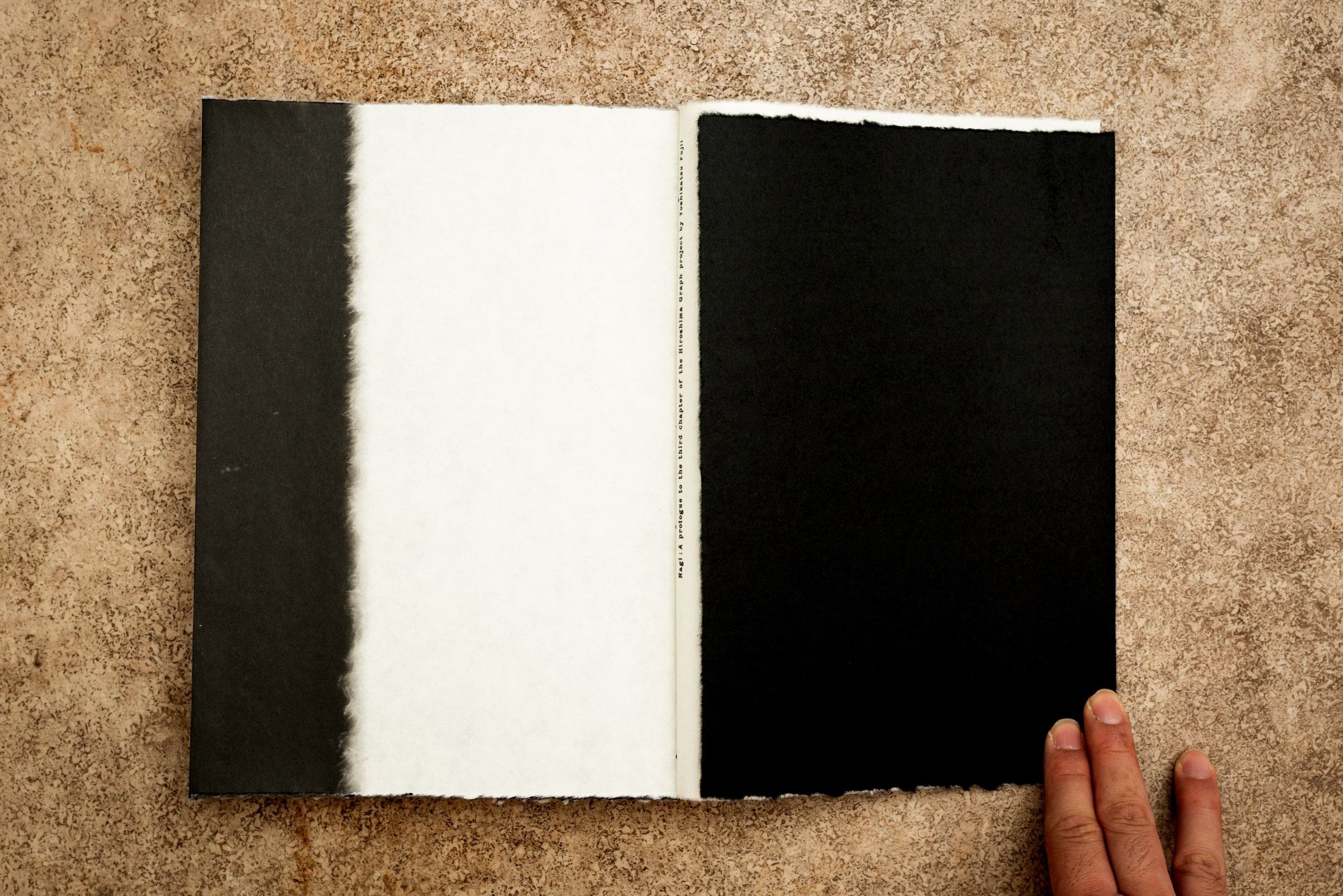
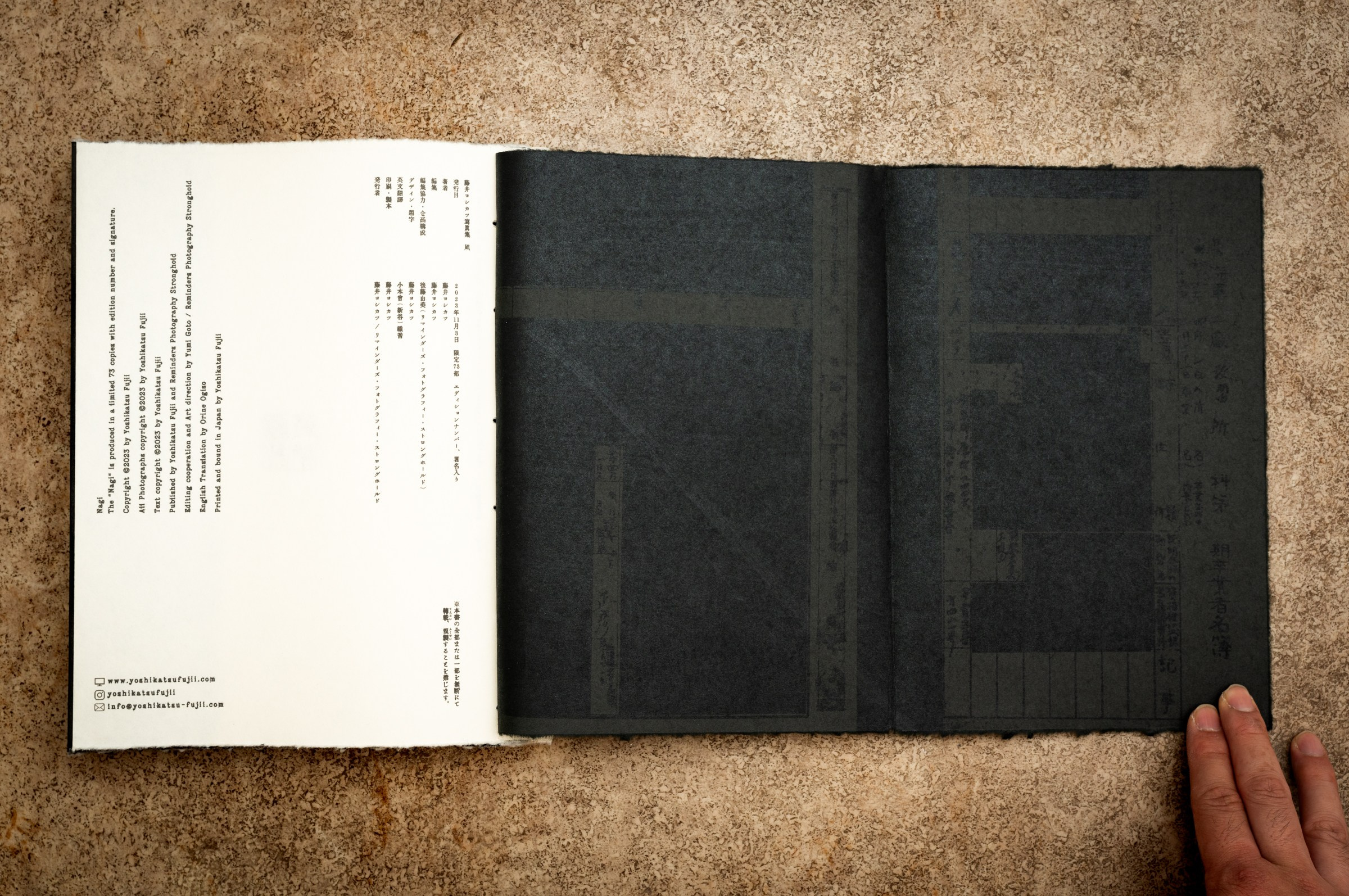
The structure of the «hidden spreads» in Nagi was my attempt to translate that silence into the physical form of the book. Certain images remain concealed within the pages and only appear when the reader carefully unfolds them. In this way, the structure reflects the presence of memories that exist but are not openly spoken.
In that sense, the book becomes a space where hidden memories can quietly surface.
In your project description, you mention reviewing a vast number of negatives before realizing that your intuitive urge to photograph the ocean was connected to your grandfather’s stories. Was this revelation instantaneous, or did the understanding unfold gradually during the editing process?
Remembering that my grandfather once told me he had worked on building human torpedoes came to me very suddenly. I was looking through old negatives when that memory unexpectedly resurfaced.
After that, other memories began to return little by little through association. I remembered that my grandfather had always lived in a town by the sea, and that the sea had been a constant presence in his daily life.
As I reflected on these things, I began to wonder whether there might be some connection between his wartime experience and the sea. I still do not know whether they are directly related, but that realization sparked a desire in me to look more closely into my grandfather’s past and the circumstances of that time.
For me, that moment of realization felt like the starting point of a new inquiry.
How do you translate your ideas into the photobook format? Which specific projects or books have inspired you lately?
For me, the most important thing is to act on an idea as soon as it appears and try to give it a physical form. I print, bind, and repeat. Through that process, the possibilities of the book gradually begin to reveal themselves.
I also find the Instagram feed of Sybren Kuiper (SYB) very inspiring. You can see many photobooks that incorporate a wide range of structural ideas, and it is fascinating to observe how different concepts are realized through the form of a book.
Are you currently working on any new projects or a new photobook?
I recently completed Five Before the Fall, which was published last December, and I am currently developing ideas for my next project. At the same time, I am preparing a small space called Nagaya Paper Lab.
There, I plan to focus on photobooks—printing and binding them, organizing exhibitions, and also selling photobooks from Japan and abroad. Rather than only viewing photographs as prints, I hope it will become a place where people can share the experience of photography in the form of a book. I also hope it will be a space where photographers and readers can naturally gather and engage in conversations around photobooks.
As a pre-opening event, I am also planning to exhibit Red String there for the first time in about ten years.
And a final question: whose work, whether photographers or other creators, has had the greatest influence on you?
Rather than photographers, I have often been influenced by creators from other fields, such as Takeshi Kitano, Hayao Miyazaki, Kazuo Umezu, George Akiyama, and Katsuhiro Otomo.
Their works create very distinctive worlds and ways of storytelling. Many of them left a strong impression on me when I was young, and that influence still shapes the way I think about images today. I believe those influences have shaped how I think about narrative, atmosphere, and the relationship between images and story in my own work.
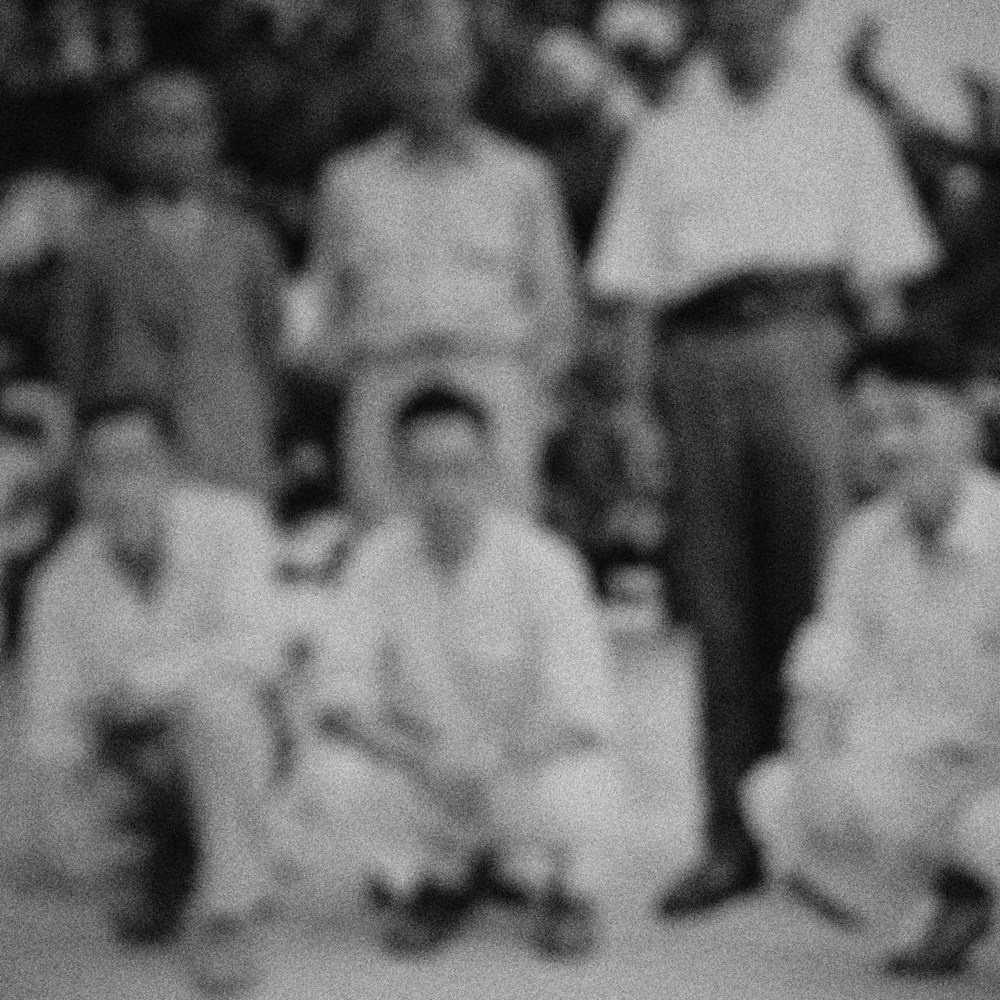
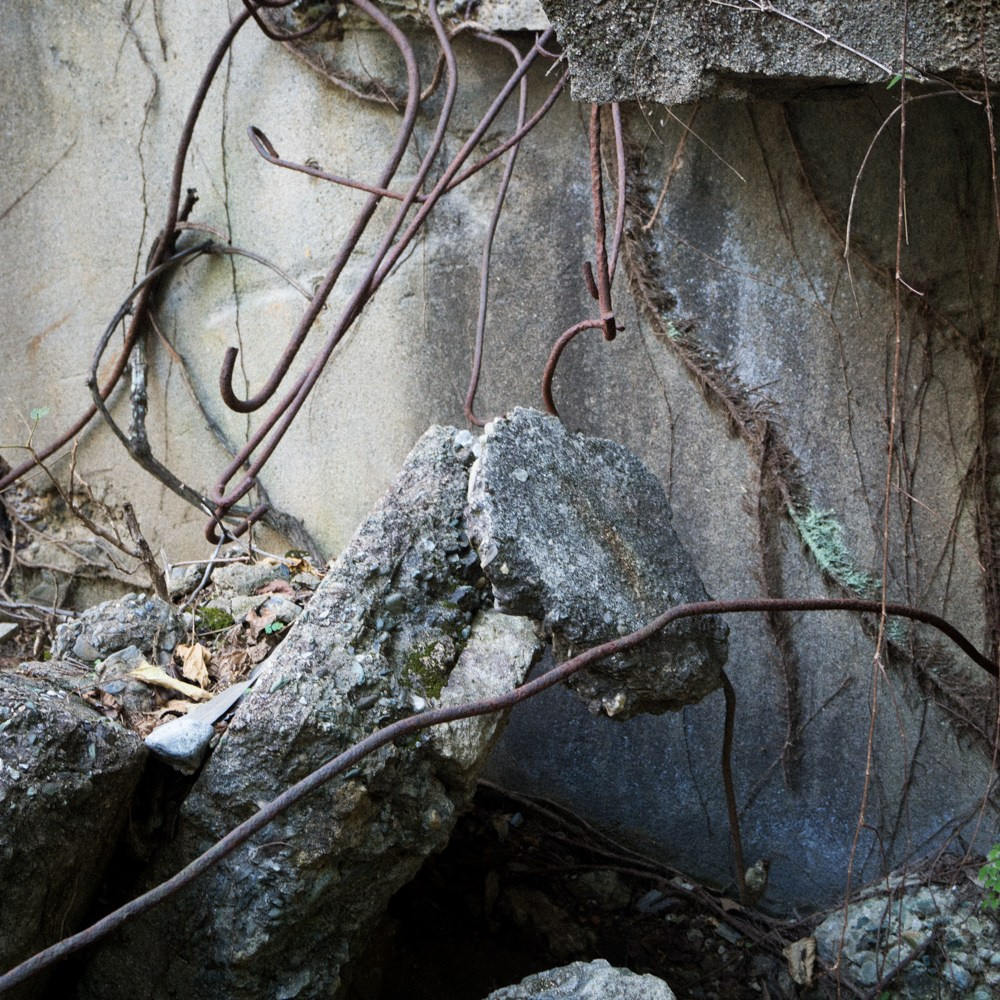
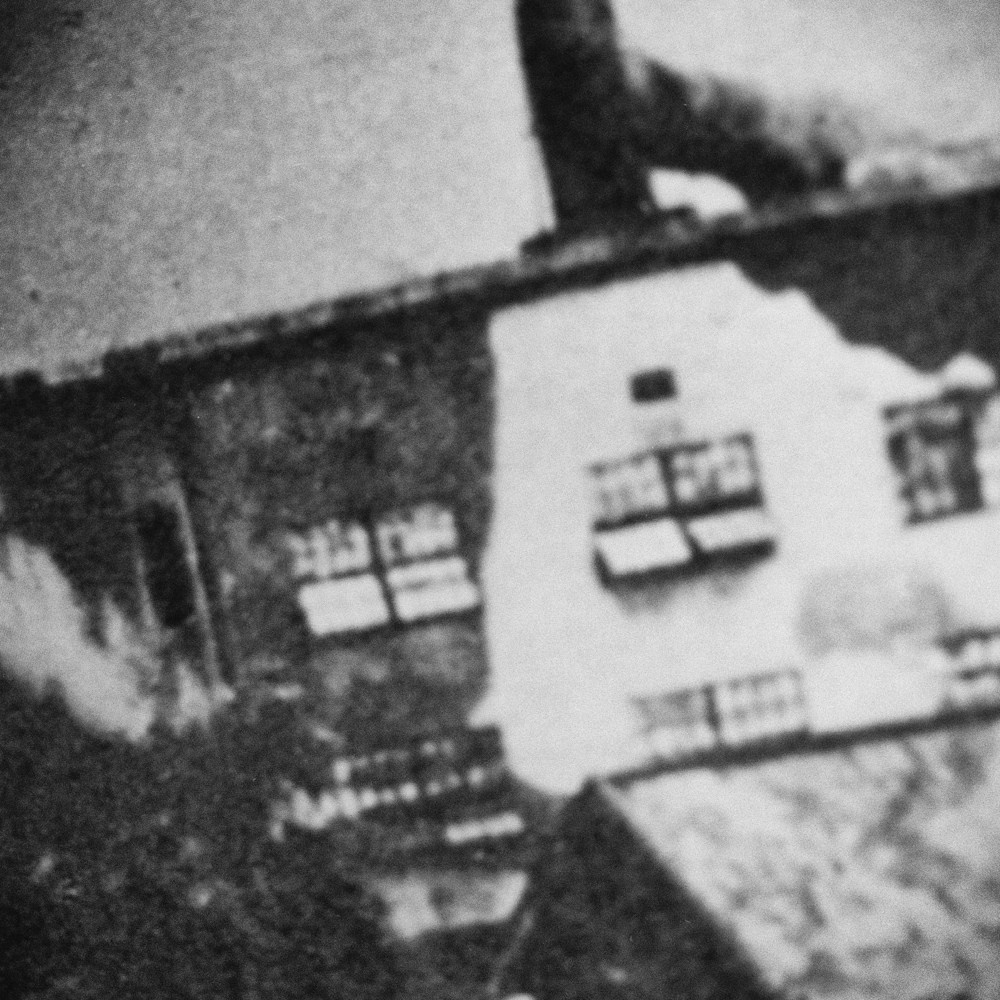
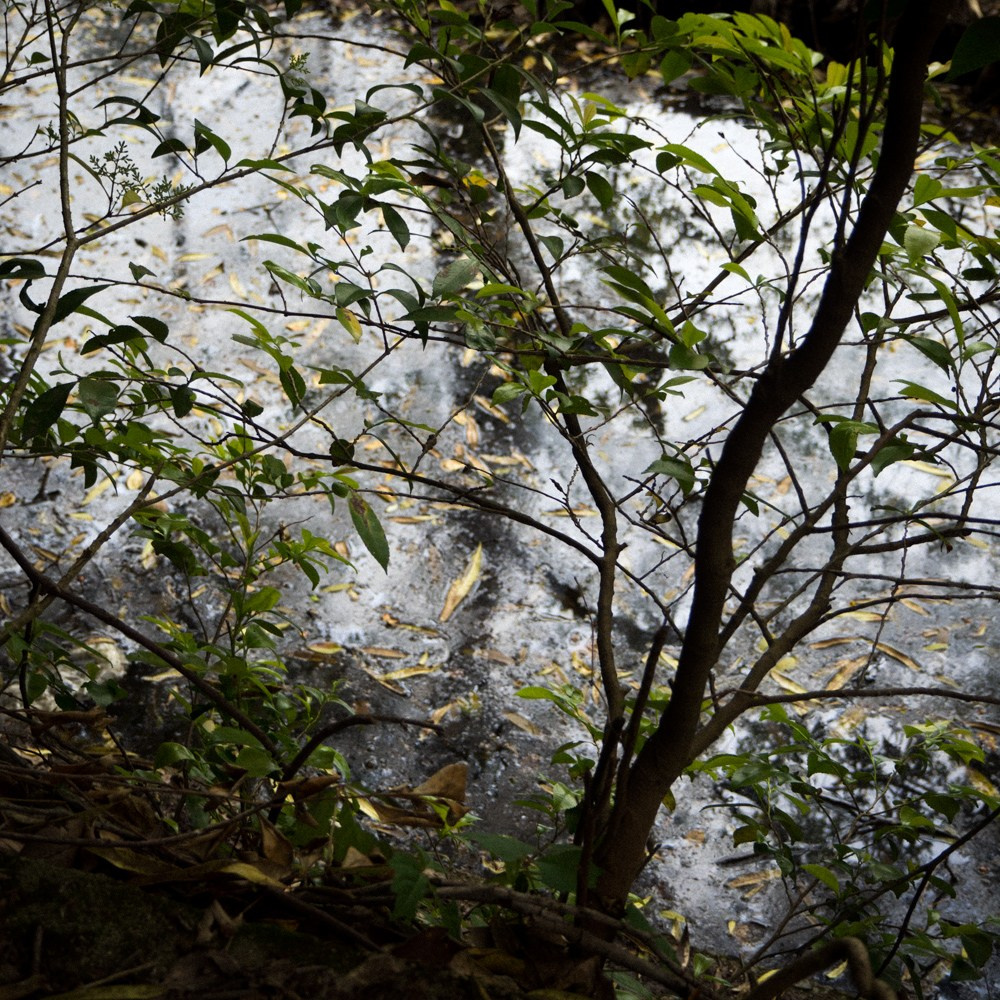
Фото: Ёсикацу Фудзии
Перевод: Оксана Сазонова


